Calories Explained: What 'Energy In, Energy Out' Really Means
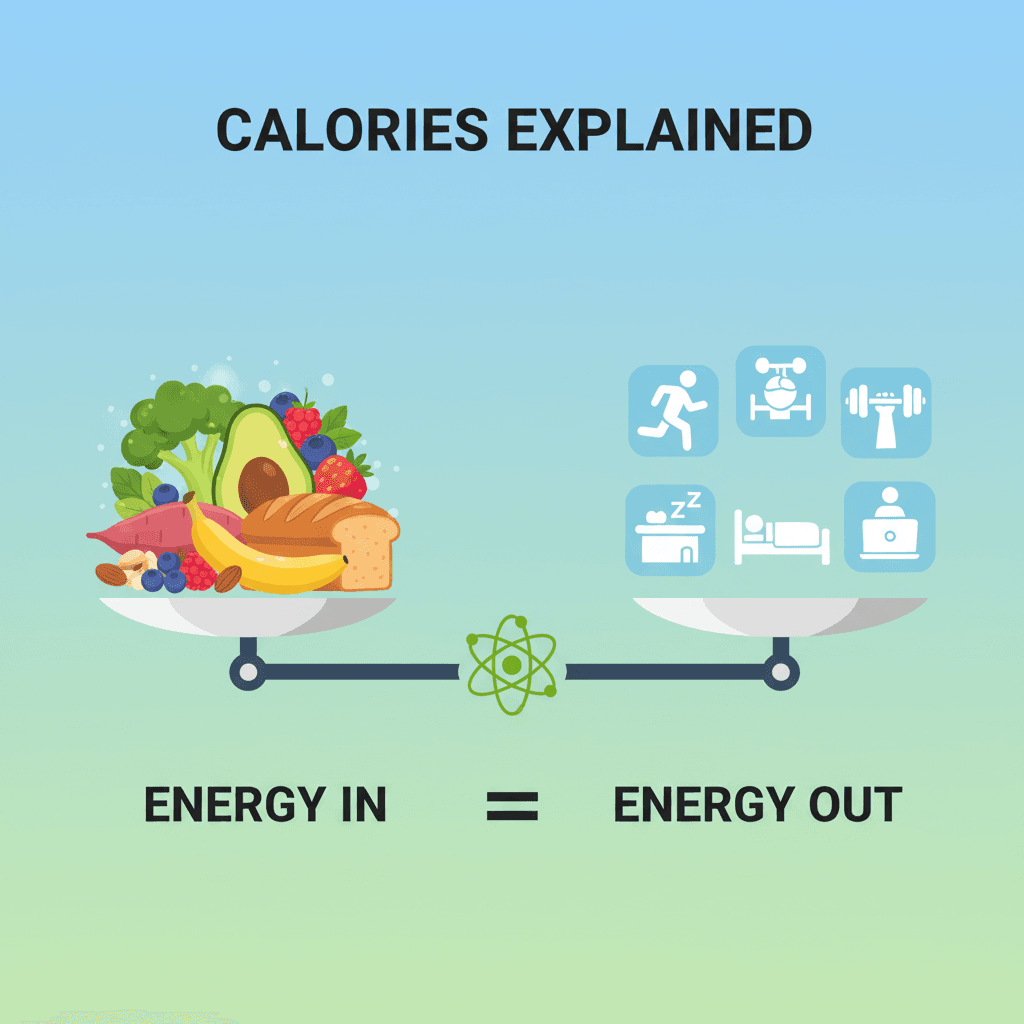
Simple balance scale showing food on one side and activities on the other, representing energy balance
Key Takeaways
- Weight change is determined by calories in vs calories out, but many factors affect both sides of the equation
- Most people underestimate calories eaten and overestimate calories burned
- Start by tracking your normal intake for awareness before making changes
Weight change comes down to calories in versus calories out (CICO). Most people underestimate intake by 20-40% - every bite, drink, cooking oil, and condiment counts.
#Your Total Daily Energy Expenditure (TDEE)
- BMR (60-75%) - calories burned at rest just to keep organs running
- NEAT (15-30%) - daily movement like fidgeting, chores, walking to the bathroom
- TEF (10%) - energy needed to digest food
- Exercise (5-10%) - your actual workouts; often the smallest component
[[calculator:tdee]]
#The Basic Math
- Calories in > out = weight gain
- Calories in < out = weight loss
- Calories in = out = maintenance
One pound of fat ≈ 3,500 calories. A 500 cal/day deficit ≈ 1 lb/week loss. But your body isn't a calculator - metabolic adaptation, water weight, hormones, sleep, and stress all affect results.
Gear for this article
Curated tools & essentials mentioned in this guide
#How to Use This
- Track your baseline - log what you normally eat for a week without changing anything
- Calculate your TDEE - use the FitJourney calculator above for a starting estimate
- For weight loss - aim for 300-500 calories below TDEE; don't go below 1,200 (women) or 1,500 (men); aggressive deficits backfire through muscle loss and binge eating
- Adjust based on results - no change after 2 weeks? Reduce by 100-200 cal; losing too fast? Add some back; track the trend, not daily fluctuations
#Mistakes to Avoid
- Not counting liquid calories (a smoothie can be 600 cal)
- Overestimating exercise burn
- Ignoring portion sizes
- Weekend amnesia - Saturday and Sunday count too
Recommended Gear
Accurate to 0.1g for precise calorie tracking without needing batteries
Visual guides built into plates showing appropriate serving sizes for calorie control
Quick reference for calorie counts of common foods when tracking intake
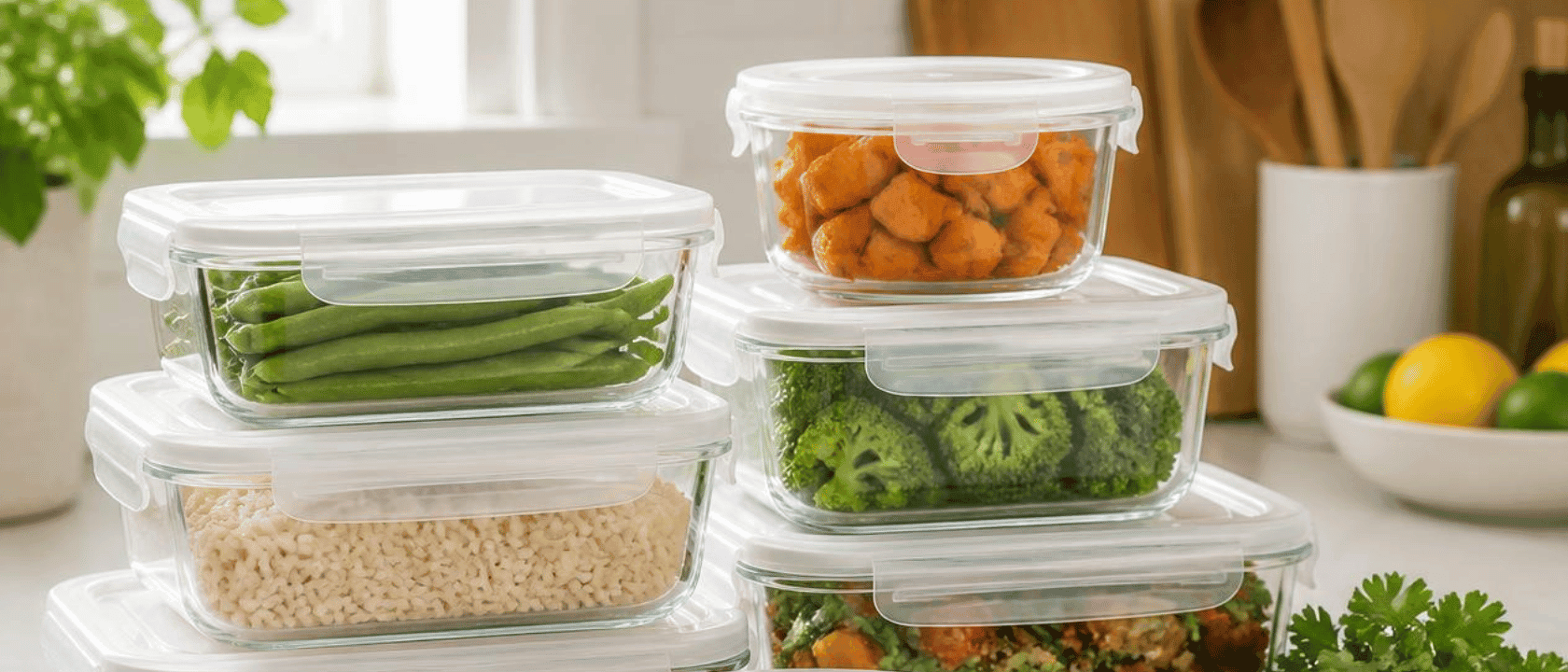
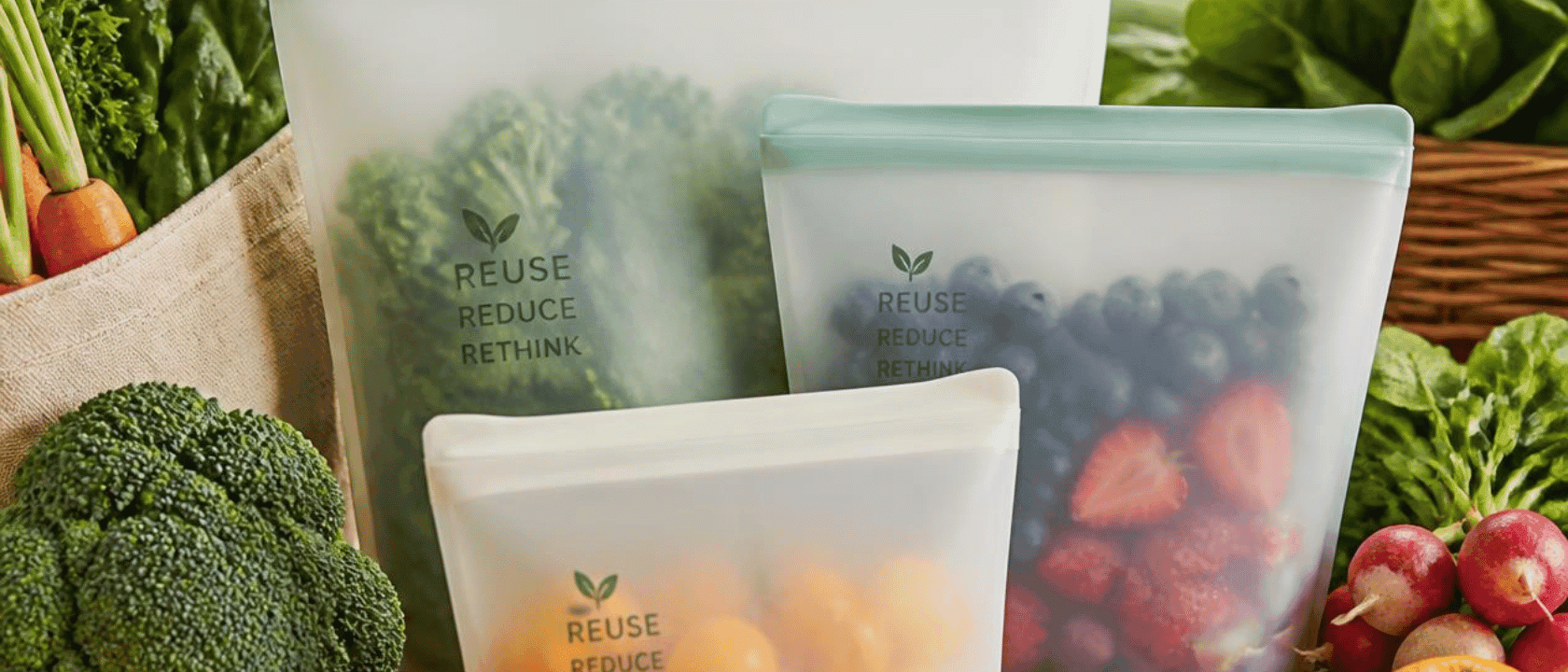
Pre-portion meals to control daily calorie intake and avoid overeating
Track calories in versus calories out with dedicated logging pages
Accurately measure portions to match labeled serving sizes for calorie accuracy
Monitor calories burned through daily activity and exercise for TDEE awareness