
Macros 101: Understanding Carbs, Proteins, and Fats
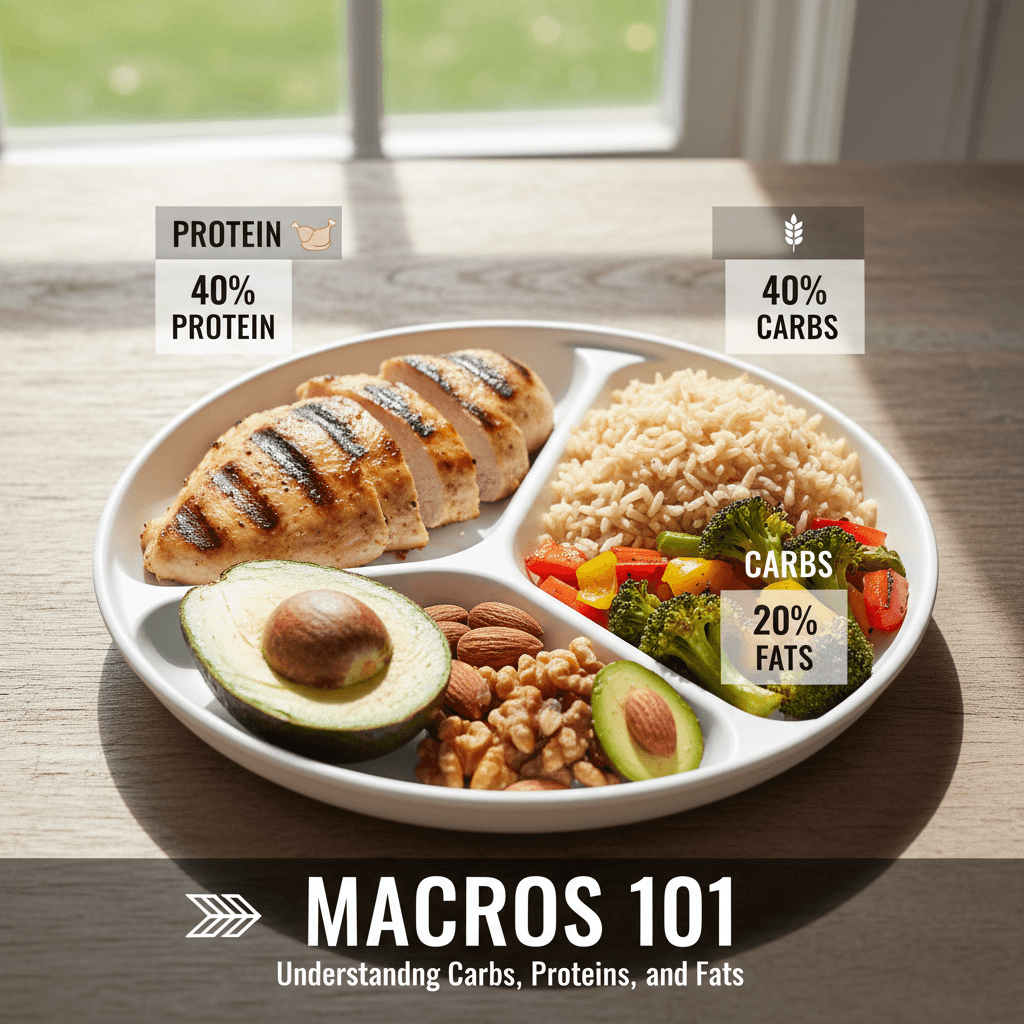
A colorful balanced plate showing portions of lean protein, complex carbohydrates, and healthy fats with clear visual sections
Key Takeaways
- All three macronutrients are essential - protein for building/repair, carbs for energy, fats for hormones and vitamin absorption
- Start by simply including all three macros at each meal rather than obsessing over perfect ratios
- Focus on whole food sources for most of your intake, with flexibility for treats
Your body needs all three macronutrients. None are "bad" - they do different jobs.
#Protein (4 cal/g)
Builds and repairs tissue - muscle, skin, hair, hormones. Aim for 0.7-1g per pound of body weight if actively strength training (e.g. 105-150g for 150 lbs). Best sources: lean meats, fish, eggs, Greek yogurt, beans, lentils, tofu. A palm-sized portion at each meal plus one protein-rich snack usually gets you there - while whole foods are preferred, shakes are a convenient supplement when needed.
#Carbohydrates (4 cal/g)
Your body's main quick-energy source. Your brain uses ~130g of carbs daily just to function. Aim for 45-65% of total calories. Best sources: whole grains, fruits, vegetables, legumes. Simple carbs (candy, cookies, soda) are less filling and can spike blood sugar - base most intake on whole-food carbs.
#Fats (9 cal/g)
Absorb vitamins, produce hormones, protect organs. Aim for 20-35% of total calories. Best sources: avocados, nuts, seeds, olive oil, fatty fish. Eating fat doesn't make you fat - excess total calories do, from any macro.
#Myths Busted
- "Carbs after 6 PM turn straight to fat" - False. Total daily intake matters, not timing.
- "You need protein immediately after working out" - False. You have a several-hour window.
Gear for this article
Curated tools & essentials mentioned in this guide

#Start Simple
- Include a protein source at every meal
- Don't fear carbs - choose mostly whole food sources
- Add healthy fats to keep you satisfied
Then: notice what you eat (no judgment), aim to include all three macros at each meal, optionally track for a few days. A rough sense of your macros is enough - the goal isn't perfection.
Recommended Gear
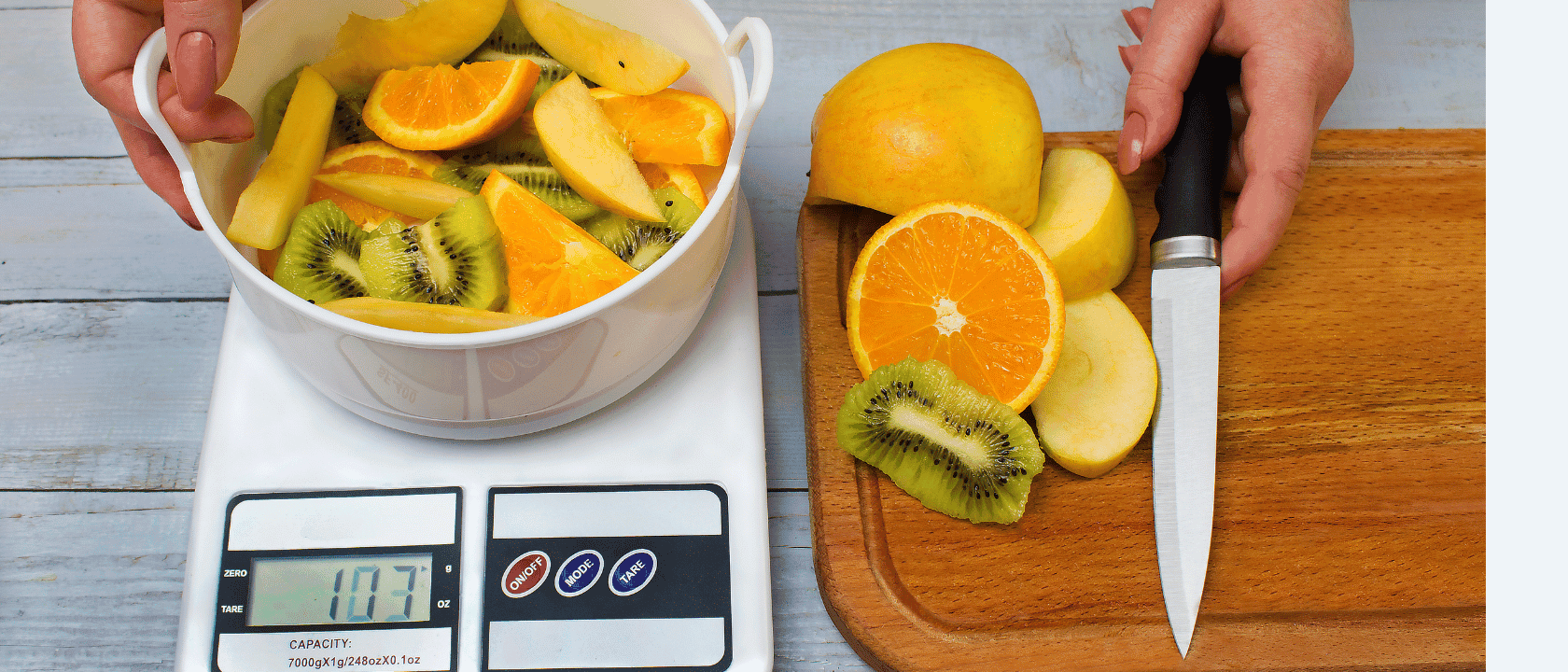
Precise gram and ounce measurements for accurate macro tracking of protein, carbs, and fats
Separate sections for protein, carbs, and vegetables to visualize balanced macro meals
Convenient way to hit daily protein targets when whole foods aren't available
Recipes with macro breakdowns to help build balanced meals with proper protein, carb, and fat ratios
Mix protein shakes on-the-go to boost daily protein intake conveniently
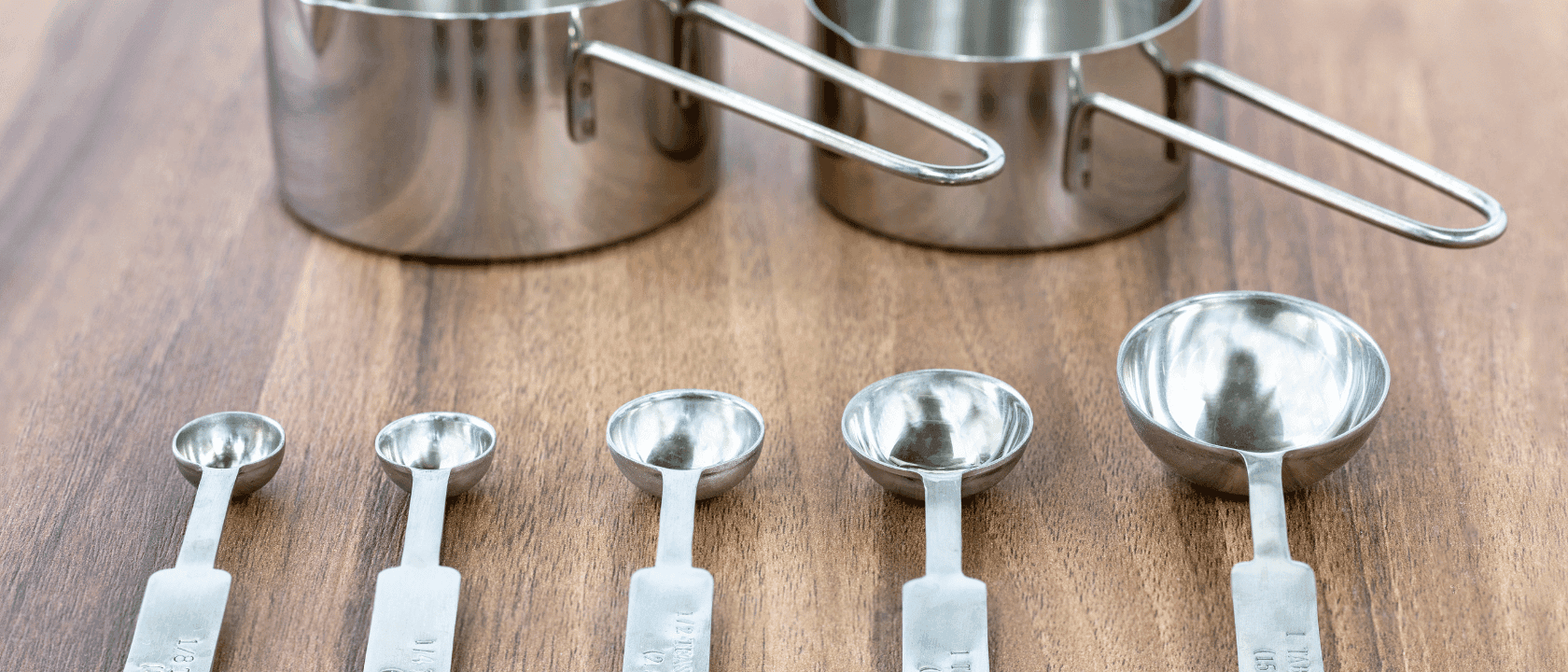
Essential tools for learning proper portion sizes of each macronutrient
Track macros manually with dedicated spaces for protein, carbs, and fats each meal