
More Than Thirst: Hydration and Performance
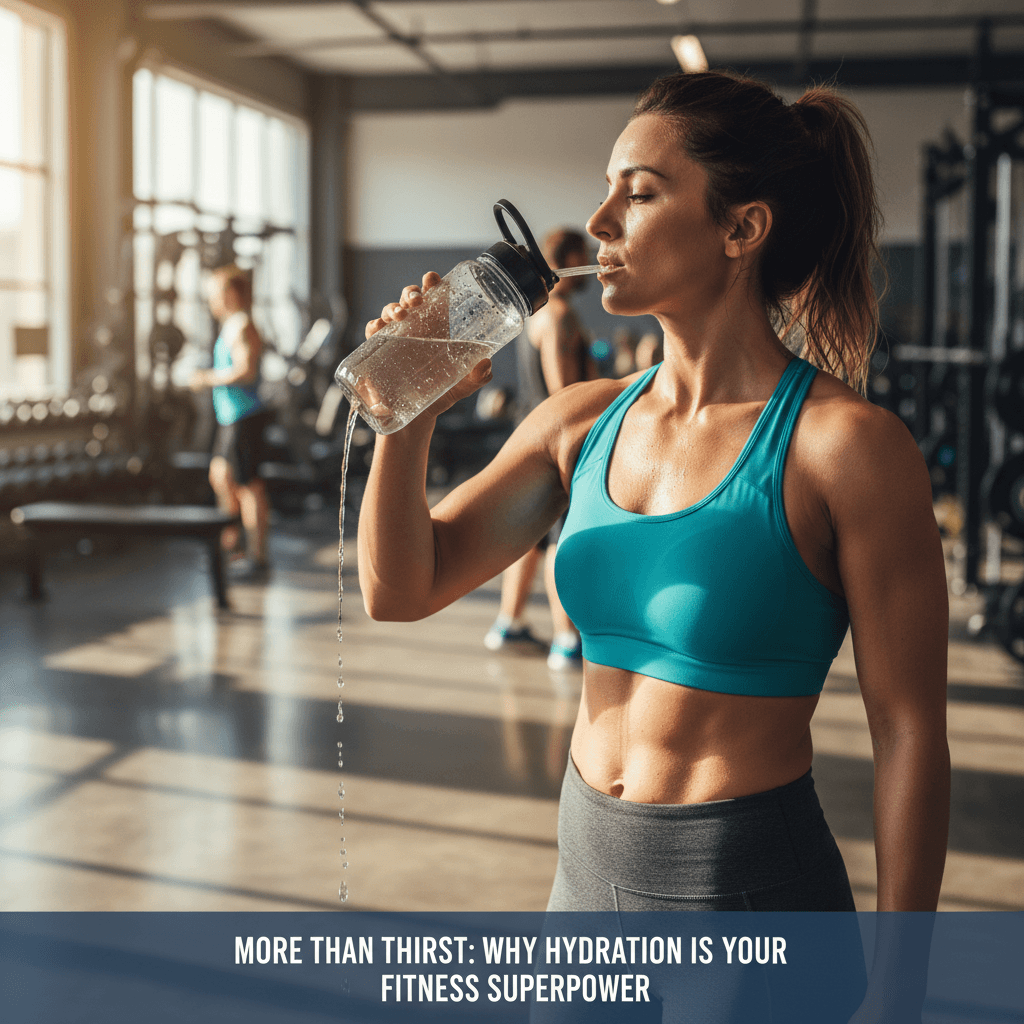
Athletic person drinking water during a workout with visible sweat, showing the importance of hydration during exercise
Key Takeaways
- Start hydrating 2-4 hours before exercise and drink half your body weight in ounces daily as a baseline
- Use the urine color test to monitor hydration status throughout the day
- Add electrolytes for workouts over 60 minutes or in hot conditions
"Drink more water" gets repeated so often it fades into background noise. But hydration is a direct performance lever - being just 2% dehydrated (before you feel thirsty) can reduce strength by up to 20% and endurance by up to 30%. Your muscles are about 75% water; when fluid drops, blood thickens, your heart works harder, and a warm-up set can feel like max effort.
#What Water Does
Water drives every performance process:
- Transporting nutrients to your muscles
- Removing waste products that cause fatigue and soreness
- Regulating body temperature during exertion
- Lubricating joints and maintaining blood pressure
#Your Daily Target
Forget the generic "8 glasses a day" rule. Start with half your body weight in ounces as a baseline (150 lbs = 75 oz), then adjust:
- +12-16 oz for every hour of exercise
- +16-24 oz in hot or humid conditions
- More if you're a heavy sweater
#Urine Color Check
Your pee is your hydration report card:
- Pale yellow: Perfect
- Clear: Possibly overdoing it
- Dark yellow/amber: Drink up
- Brown/cola-colored: See a doctor immediately
#Timing Your Hydration
- Pre-workout (2-4 hours before): Drink 16-20 oz to pre-load your system - flooding right before doesn't work; your body absorbs about 1 liter per hour
- During workout: Water is fine under 60 minutes; add electrolytes for sessions longer than 60 minutes or intense sweating
- Post-workout: For every pound lost during exercise, drink 16-24 oz to rehydrate
Gear for this article
Curated tools & essentials mentioned in this guide
#The Electrolyte Equation
When you sweat, you lose sodium, potassium, and magnesium. Natural replacements:
- Banana + pinch of salt - the "poor person's sports drink"
- Coconut water - nature's Gatorade (watch the sugar)
- Watermelon with salt - hydrating and effective
#Common Mistakes to Avoid
- Waiting until thirsty: At 2% dehydration you're already impaired - thirst comes too late
- Flooding before workouts: A gallon right before exercise mostly just makes you pee
- Coffee without adjustment: caffeine has a mild diuretic effect, but for regular drinkers, it contributes to your total daily fluid intake and net hydration
- Ignoring alcohol: Follow a 1:1 rule - one glass of water per alcoholic drink
#Building the Habit
Calculate your needs, track intake, adjust for activity and climate, then make it automatic:
- 16 oz immediately upon waking
- Time markers on your water bottle
- Hourly reminders or app logging
- Habit stacking: drink water every time you check social media
Hydration is free and effective. Nail this before chasing supplements or advanced timing strategies.
Recommended Gear
Motivational bottle with hourly markers to track and meet daily hydration goals
Replace sodium, potassium, and magnesium lost through sweat during workouts
Keeps water cold for 24 hours to encourage hydration during long workouts
Easy sipping during exercise without stopping to unscrew caps
Hands-free hydration for running, hiking, and outdoor cardio workouts
Natural electrolyte source with potassium for post-workout recovery hydration
Space-saving hydration solution that fits in any gym bag when empty