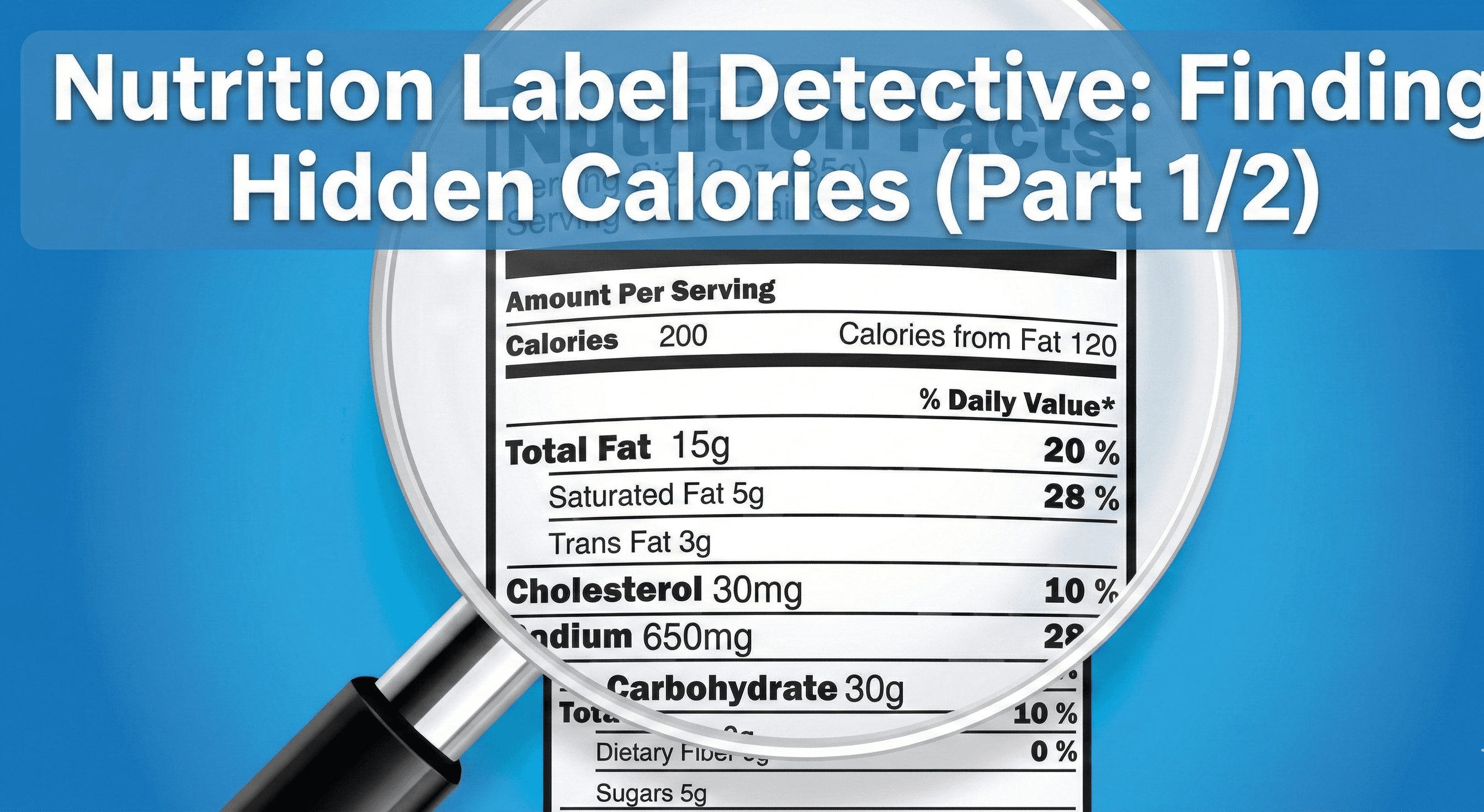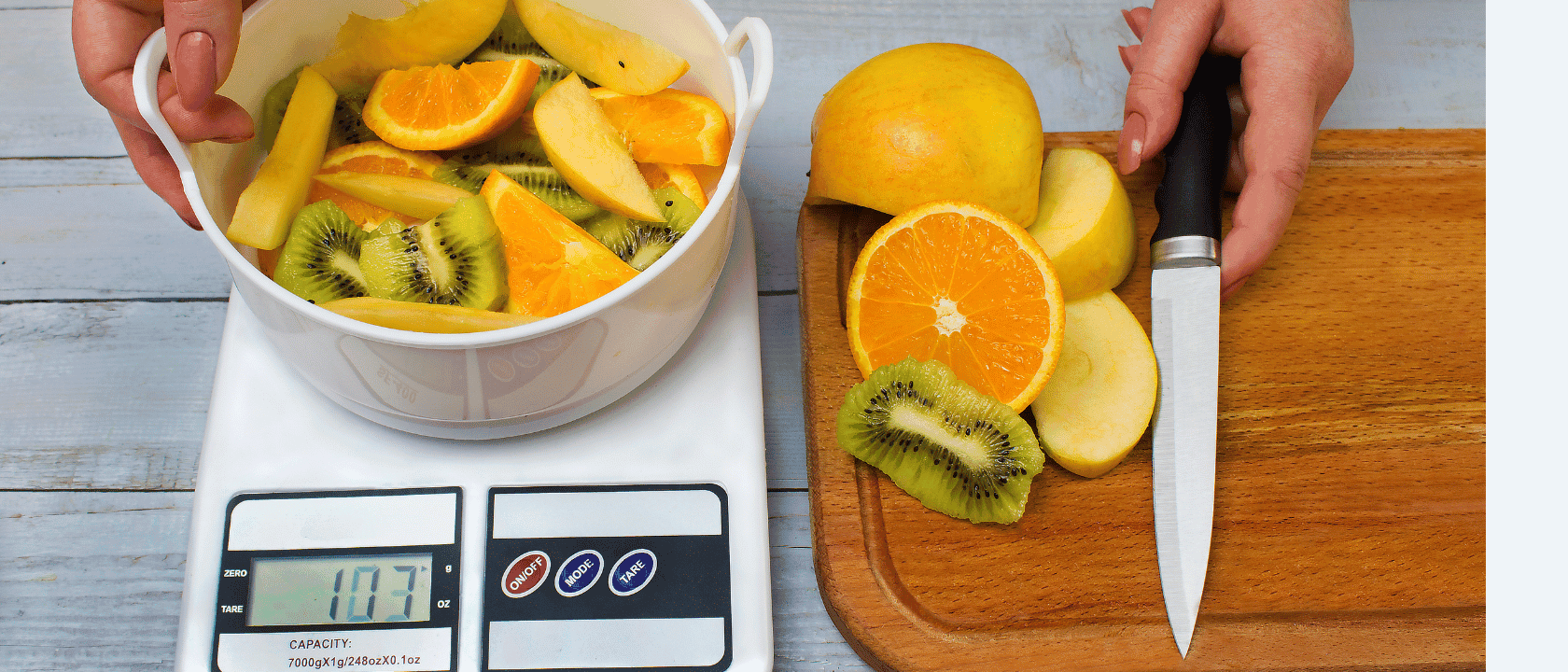
Ever felt like you're eating "healthy" but not seeing results? The truth might be hiding in plain sight—on the nutrition label you're probably not reading correctly. Today, you're going to become a nutrition detective, and trust me, what you discover will shock you.
The Great Calorie Cover-Up
Here's the dirty secret food companies don't want you to know: they're masters at making high-calorie foods look innocent. That "healthy" granola? Often more caloric than a donut. That "lite" salad dressing? Still packs 80 calories per tablespoon (and who uses just one tablespoon?).

Decoding the Nutrition Facts Panel
The Hierarchy of Information
Nutrition labels are designed in a specific order for a reason:
- Serving Size (The Grand Deception)
- Calories (The Bottom Line)
- Macronutrients (The Big Three)
- Micronutrients (The Supporting Cast)
- Ingredients List (The Real Truth)
Starting at the Top: Serving Size Trickery
This is where 90% of people get fooled. That bag of chips that looks like a single-serve package? Check the label—it might be "2.5 servings." Suddenly your 150-calorie snack is actually 375 calories.
Common Serving Size Tricks:
- Beverages listing calories per 8 oz (but the bottle is 20 oz)
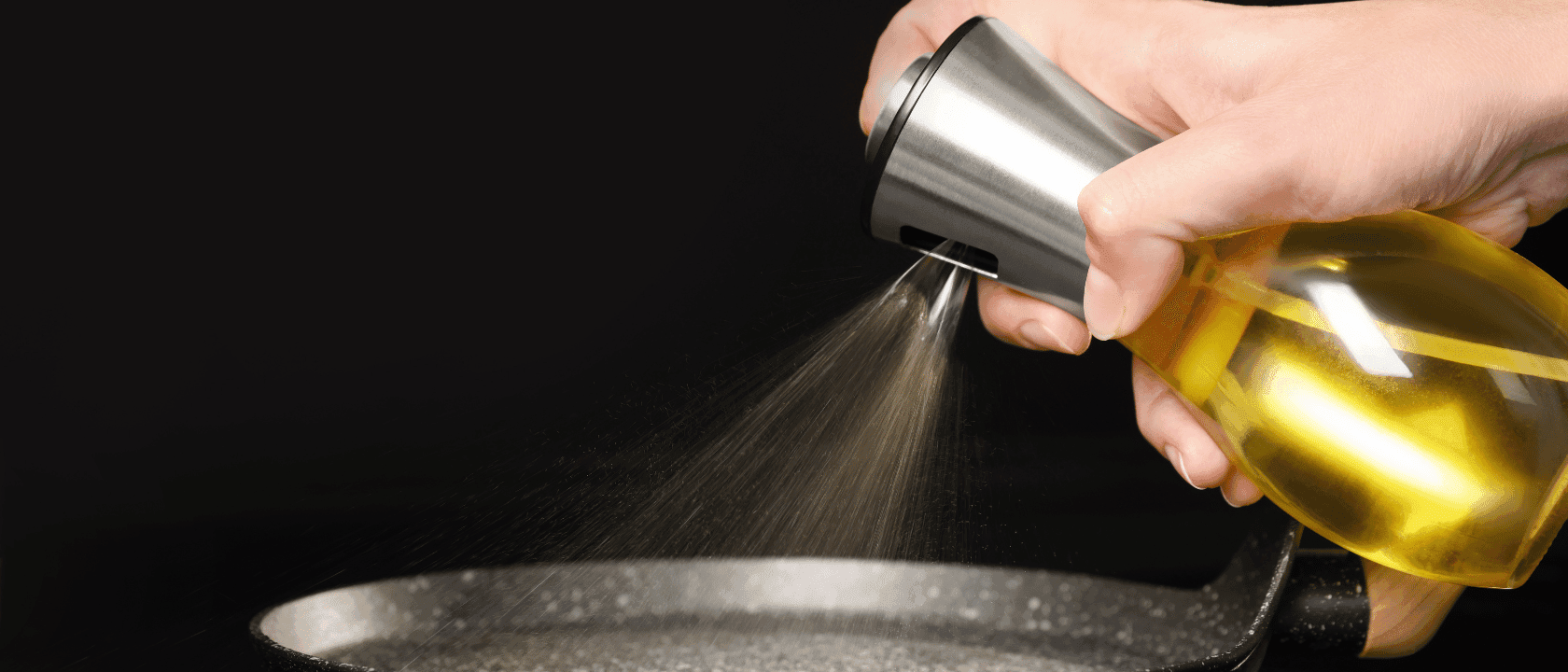
- Spray oils claiming "0 calories" (for a 1/4 second spray)
- Candy bars split into 2-3 servings
- Ramen packages counted as 2 servings (who eats half a ramen?)
The Calorie Section: Your Primary Focus
Understanding Calorie Density
Calories tell you the energy in food, but context matters:
- Low density: <100 calories per 100g (most vegetables, fruits)
- Moderate density: 100-300 calories per 100g (lean proteins, whole grains)
- High density: >300 calories per 100g (nuts, oils, processed foods)

The "Healthy Halo" Effect
Just because something sounds healthy doesn't mean it's low-calorie:
- Açai bowls: Can pack 600+ calories
- Smoothies: Often 400-800 calories
- Trail mix: 150+ calories per small handful
- Granola: 200+ calories per 1/2 cup
- Avocado toast: 300-500 calories per slice
Finding Hidden Calories: The Usual Suspects
1. Added Sugars (The Sweet Saboteur)
Sugar has many aliases:
- High fructose corn syrup
- Dextrose, maltose, sucrose (anything ending in -ose)
- Fruit juice concentrate
- Agave nectar, honey, maple syrup (still sugar!)
- Brown rice syrup, cane juice
The 4-4-4 Rule: Every 4 grams of sugar = 1 teaspoon = 16 calories

2. Fats (The Dense Deceiver)
Fat has 9 calories per gram (vs. 4 for protein and carbs):
- Salad dressings: 100-150 calories per tablespoon
- Nut butters: 190 calories per 2 tablespoons
- Cooking oils: 120 calories per tablespoon
- Cheese: 100-120 calories per ounce
3. "Healthy" Additions
These add up faster than you think:
- Croutons: 30-50 calories per small handful
- Dried fruit: 100+ calories per 1/4 cup
- Seeds/nuts on salads: 50-100 calories per sprinkle
- Granola on yogurt: 150+ calories per 1/3 cup
The Ingredients List: Where Truth Lives
The Order Matters
Ingredients are listed by weight, from most to least. If sugar (in any form) is in the top 3 ingredients, that's a high-sugar product, regardless of marketing claims.
The Splitting Strategy
Companies split sugar into multiple types to push it down the ingredients list:
- Instead of "sugar (30g)"
- They list: "cane sugar (10g), honey (10g), brown rice syrup (10g)"
- Same total sugar, but appears lower on the list
Real-World Label Reading Practice
Example 1: "Healthy" Protein Bar

What the front says: "20g protein! All natural!" What the label reveals:
- 280 calories (okay for a meal replacement, high for a snack)
- 15g sugar (almost 4 teaspoons)
- First ingredients: dates, almonds, whey protein, honey (two forms of sugar in top 4)
Example 2: "Light" Yogurt
What the front says: "Only 80 calories!" What the label reveals:
- Serving size: 5.3 oz (smaller than regular yogurt's 8 oz)
- Artificial sweeteners (may increase cravings)
- Less protein than regular yogurt
- You'll probably eat two = 160 calories
Quick Label-Reading Checklist
✓ Check serving size FIRST (multiply everything if you eat more) ✓ Look at calories per container (not just per serving) ✓ Find all sugar sources (add them up) ✓ Check the ingredients list (fewer ingredients = usually better) ✓ Ignore front-of-package claims ("natural," "healthy," "lite" mean nothing)
Red Flags to Watch For
Packaging Claims That Mean Nothing:
- "Made with real fruit" (could be 1% fruit)
- "Multi-grain" (not the same as whole grain)
- "No added sugar" (might be naturally high in sugar)
- "Fat-free" (often means added sugar)
- "All natural" (sugar is natural too)
Math Manipulation:
- Odd serving sizes (2.5 servings per container)
- Comparing to different products ("50% less fat than regular chips"—still high!)
- Percentage claims without context ("30% more protein"—from 2g to 2.6g)
Your Label-Reading Action Plan
This Week's Challenge:
- Monday: Check serving sizes on everything you eat
- Tuesday: Calculate total calories per package
- Wednesday: Count different sugar sources in your foods
- Thursday: Read ingredients lists before nutrition panels
- Friday: Compare similar products at the grocery store

The Psychology of Label Design
Food companies spend millions researching how to make labels confusing:
- Small, hard-to-read fonts for negative information
- Highlighting positive nutrients in bold
- Using serving sizes that make calories seem lower
- Creating "health halos" with certain words and colors
Don't fall for it. Read everything, question everything.
Coming Up in Part 2
Now that you can find hidden calories, Part 2 will teach you how to master serving sizes—the biggest source of calorie confusion. You'll learn how to estimate portions without measuring everything and understand why that "single-serve" package might be lying to you.
Remember: Knowledge is power, but only if you use it. Start checking labels today. That "healthy" snack drawer might need a serious reality check.