
Nutrition Label Detective: Mastering Serving Sizes (Part 2/2)
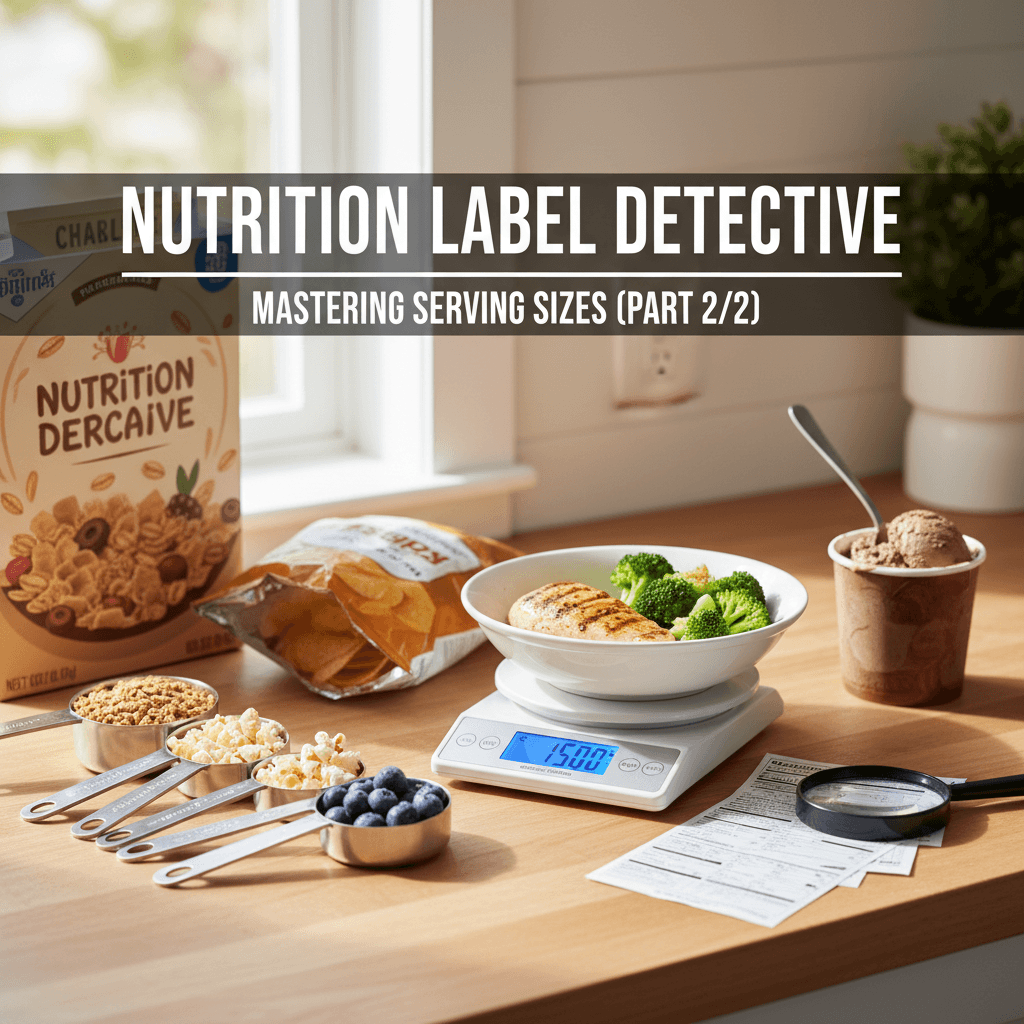
Hand holding a measuring cup next to various packaged foods with nutrition labels visible, showing the reality of portion sizes
Key Takeaways
- Single-serve vs multi-serve: check "servings per container" and multiply-actual calories = calories per serving × servings you eat
- Measuring practicals: use the label (g or mL); for accuracy at home, a kitchen/food scale beats eyeballing (see our Kitchen/Food Scale article)
- Restaurants and "personal" packages are often 2-4× a label serving; liquid calories and saturated fat still count in real life
Part 1 covered what is on the nutrition label. This part is about using that information in real life - calculating true calories, measuring without obsessing, and handling restaurants, liquids, and social situations.
#The Only Rule That Matters
Actual calories = calories per serving x number of servings you eat
All label numbers are per serving. "Personal-sized" packages are not always one serving - many contain 2-3 servings. A 20 oz soda is often 2.5 servings; a pint of ice cream is usually 4. Always check "servings per container" before assuming.
Common traps:
- Cereal - label serving is often 3/4 cup; a typical bowl holds 2-3 cups
- Juice - label says 8 oz per serving; glasses are 12-16 oz
- Chips - label might say 15 chips; a typical handful is 30+
- Nuts and trail mix - what you grab is often 2-4 servings
#Measuring Without Obsessing
You do not have to weigh everything forever. The goal is awareness, not a lifelong obligation.
Practical habits:
- Pre-portion snacks - when you open a multi-serve bag, put one serving in a bowl instead of eating from the package
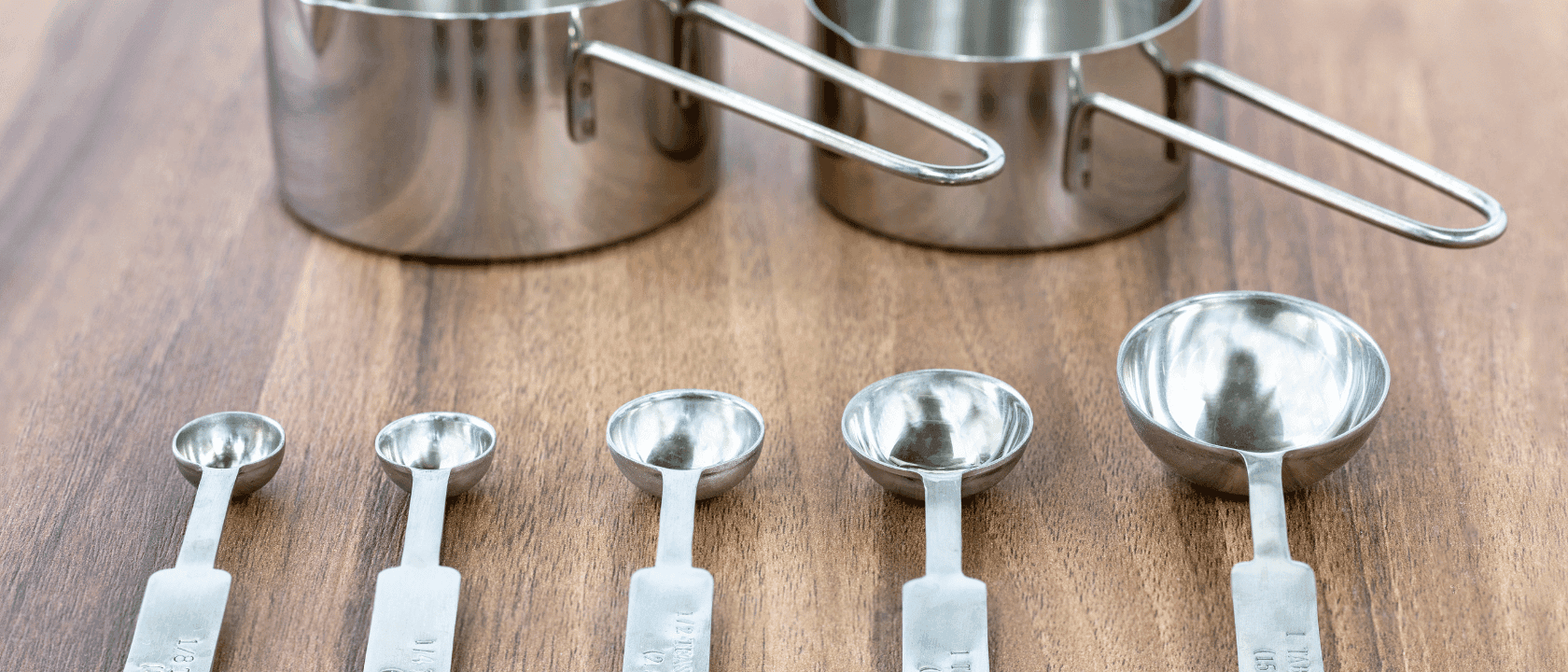
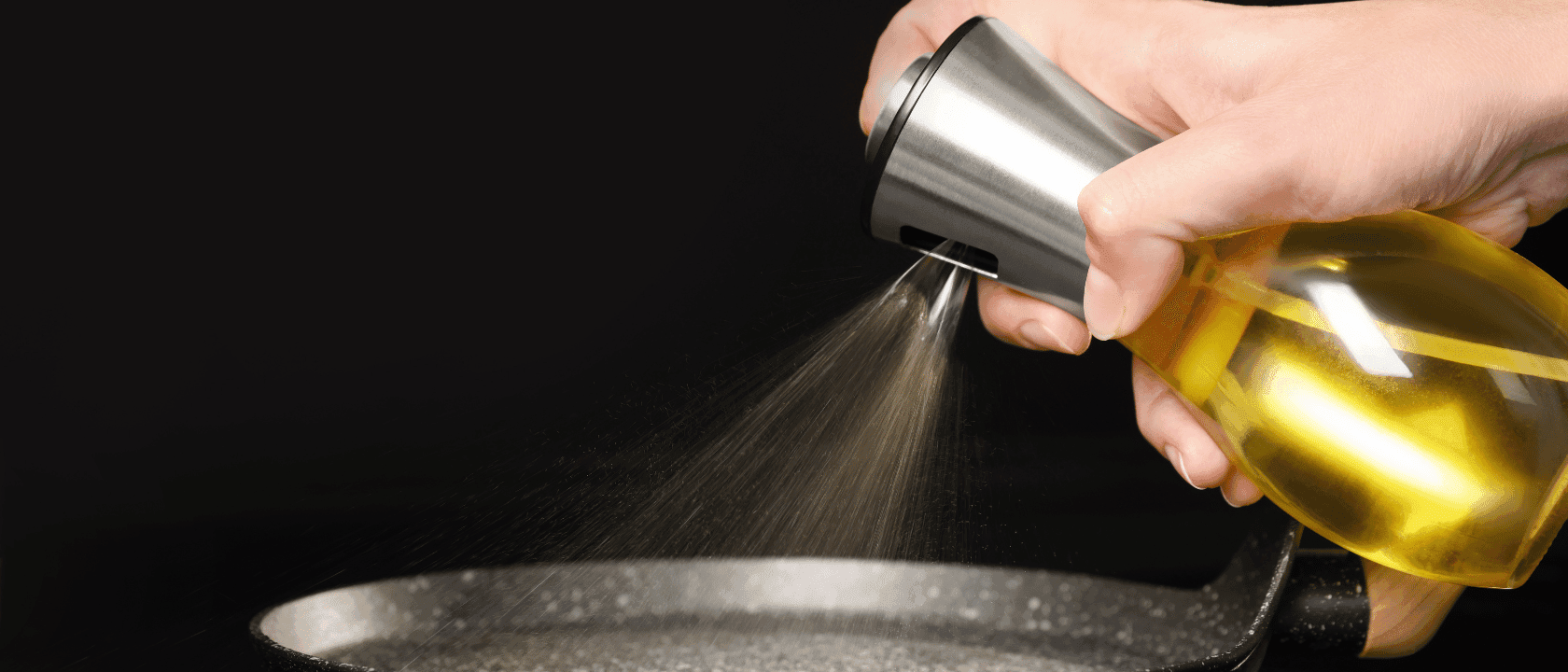
- Measure or weigh calorie-dense foods (nut butter, oil, nuts, cheese) once or twice so you learn what the serving actually looks like; then use that visual
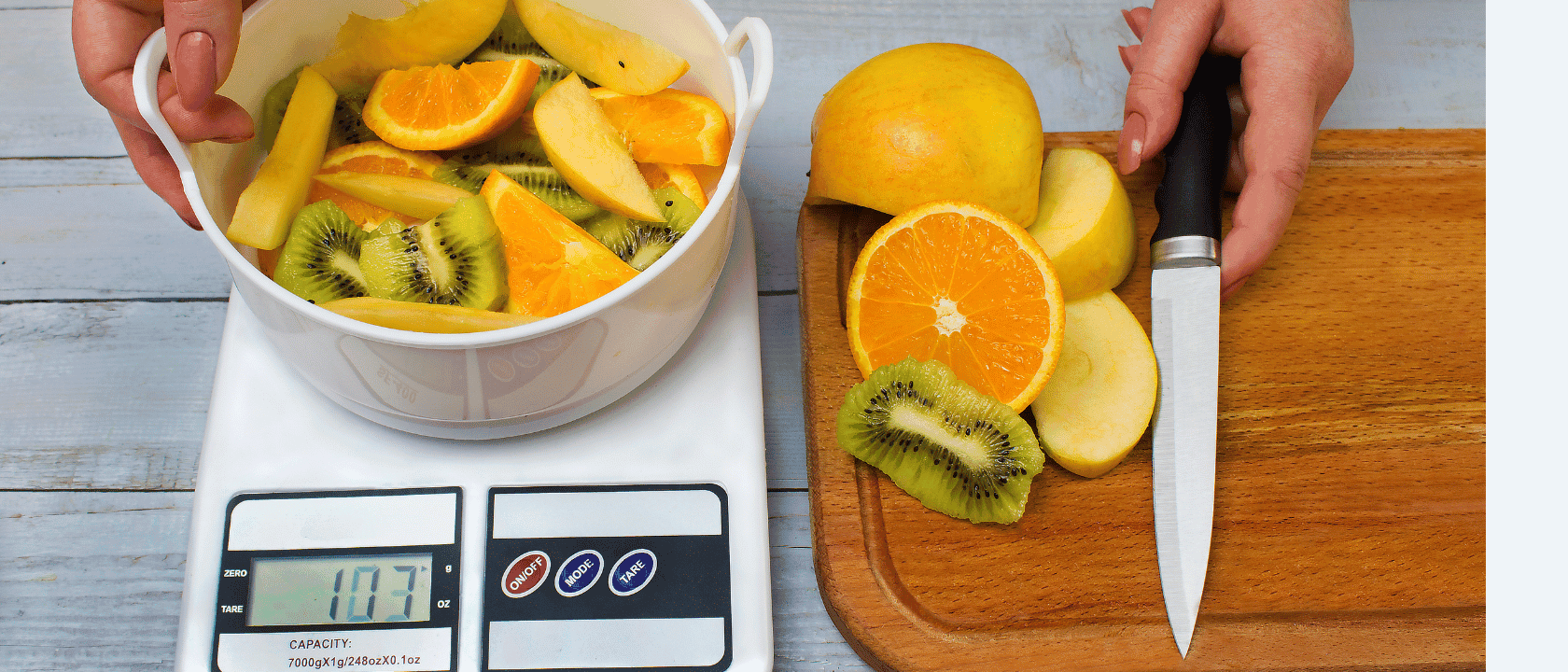
- A kitchen/food scale is the most accurate tool at home for building true portion awareness
Learning sequence: Measure to understand real portions - learn visual cues - estimate portions - check accuracy occasionally. This builds sustainable skills without making it a permanent chore.
Gear for this article
Curated tools & essentials mentioned in this guide
#Visual Portion Guide
When you are not using a scale or measuring cup:
- Protein: 3 oz meat - palm or deck of cards; 1 oz cheese - thumb; 2 tbsp nut butter - golf ball
- Carbs: 1 cup pasta or rice - fist or baseball; 1 slice bread - DVD case; 1 medium potato - computer mouse
- Fat: 1 tsp oil - tip of thumb; 1 tbsp - poker chip; 1/4 cup nuts - golf ball
#Restaurants, Social Eating, and Travel
Restaurant portions are often 2-4 times a standard label serving. Tactics that work:
- Box half your meal before you start eating
- Share appetizers or order a side salad instead of fries
- Consider ordering from the kids menu for a reasonable portion
When you are traveling or eating socially without a label: approximate using visual cues (palm for protein, fist for carbs), prioritize protein and vegetables, and do not stress one meal - awareness over perfection.
#Quick Reference Multipliers
- Restaurants - often 2-3x a standard serving
- "Personal" packages - check "servings per container"; do not assume one serving
- Beverages - rarely one serving per bottle; always check the label and multiply
- Nuts, trail mix, cereal, ice cream - what you grab is often 2-4 servings
Recommended Gear
Accurate to 1g for learning real portion sizes vs what labels claim as servings
Color-coded containers matching standard serving sizes for foolproof meal prep
Divided plate with built-in sections showing proper serving sizes for each food group
Durable measuring tools for accurately portioning foods to match label serving sizes
Dispenses one serving at a time to prevent over-pouring calorie-dense cereals
Pre-sized bowls for snacks like nuts and chips to prevent mindless overeating
Portable system for taking properly portioned meals on the go