
Balance & Coordination: Your Injury Prevention Insurance
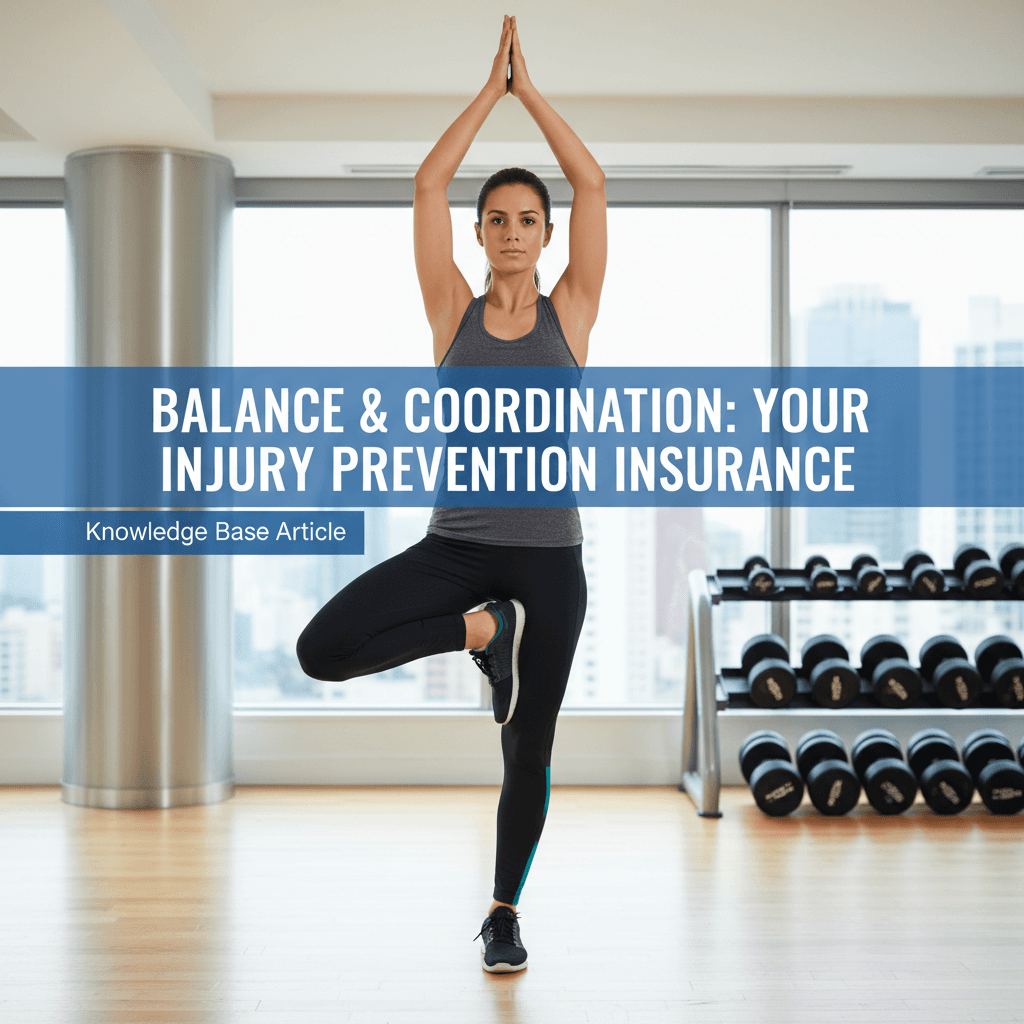
Person performing a tree pose balance exercise in a bright gym, demonstrating single-leg stability
Key Takeaways
- Start with 5 minutes daily of simple balance exercises like single-leg stands and heel-to-toe walks
- Progress gradually from stable to unstable surfaces and from eyes open to eyes closed
- Integrate balance practice into daily activities like teeth brushing or waiting for coffee
#Balance & Coordination: Your Injury Prevention Insurance
Balance and coordination are not just for athletes or gymnasts - they're fundamental skills that affect everything from walking up stairs to lifting weights safely. Your balance system relies on three systems working together: the inner ear (vestibular), your eyes, and proprioceptors (sensors in your muscles and joints that detect body position).
#Why It Matters
- Injury prevention - every year, poor coordination leads to gym mishaps and falls. Good balance is your first line of defense.
- Better performance - improved coordination makes every movement more efficient.
- Stronger core - standing on one leg for 30 seconds can activate your abs more than many traditional core exercises.
- Brain health - balance and coordination work creates new neural pathways and supports cognitive function.
#Building Balance: A Progression
#Level 1 - Foundation
Single-leg stands: Start next to a wall or chair. Lift one foot just an inch off the ground and hold for 10 seconds. Build to 30 seconds. Once that's easy, try it with eyes closed - removing visual input forces your inner ear and proprioceptors to work harder, making it significantly more challenging.
Heel-to-toe walking: Walk in a straight line, placing the heel of one foot directly in front of the toes of the other. Do 20 steps forward, then try backward.
#Level 2 - Dynamic Challenges
Single-leg reaches: Stand on one leg, reach the other to front, side, and back.
Balance with head turns: Stand on one foot and slowly turn your head left and right. This challenges your vestibular system (inner ear balance) - a more comprehensive challenge than still balance alone.
#Level 3 - Functional Integration
Single-leg mini squats and dynamic balance walks combining arm movements with walking.
#Coordination Builders
- Opposite arm and leg raises - fundamental cross-body coordination for walking and running
- Ball tosses - hand to hand, then progress to tossing while marching or on one foot
- Marching patterns with different arm sequences
#Daily Integration
The best training is the kind you actually do:
- Teeth brushing - balance on one foot, switch halfway through
- Kitchen - single-leg stand while waiting for coffee or food to heat
- Desk breaks - 10 single-leg stands per side every hour
#Common Mistakes
- Rushing progression - advancing too quickly leads to compensation patterns that worsen balance
- Ignoring the weak side - spend extra time on your weaker side to prevent imbalances
- Only training on stable surfaces - progress to foam pads or grass once stable ground is mastered
- Holding your breath - creates unnecessary tension; breathe normally throughout. If you can't breathe normally, the exercise is too hard
#For Special Situations
- Joint issues - water-based balance training reduces joint stress while still challenging your balance systems
- Post-injury - start with seated balance (e.g., exercise ball); progress to standing only when cleared
- Neurological conditions - work with a physical therapist initially
Gear for this article
Curated tools & essentials mentioned in this guide
#The Two-Week Challenge
Week 1:
- 3 sets of 30-second single-leg stands (each leg), daily
- 2 sets of heel-to-toe walks (20 steps), daily
- Ball tosses, 3x per week
Week 2:
- 3 sets of 45-second single-leg stands with eyes closed, daily
- Single-leg reaches (10 each direction, each leg), daily
- Coordination patterns with rhythm, 3x per week
Start with five minutes a day. The difference between clumsy and coordinated is practice, not talent.
Recommended Gear
Non-slip pad for progressing from stable to unstable surface balance work
Inflatable disc for standing desk use or adding instability to exercises
Half-ball trainer for advanced balance challenges and single-leg work
Build ankle stability and proprioception with controlled rocking motion
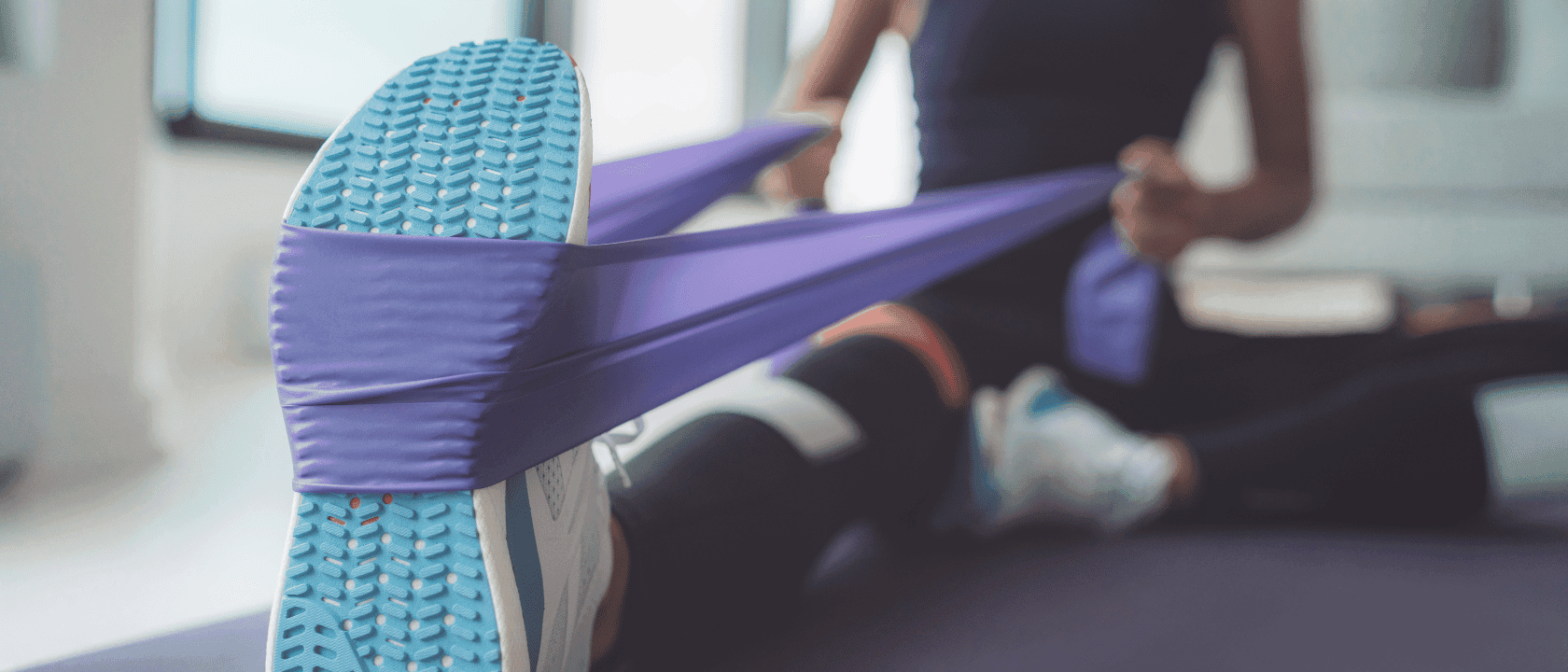
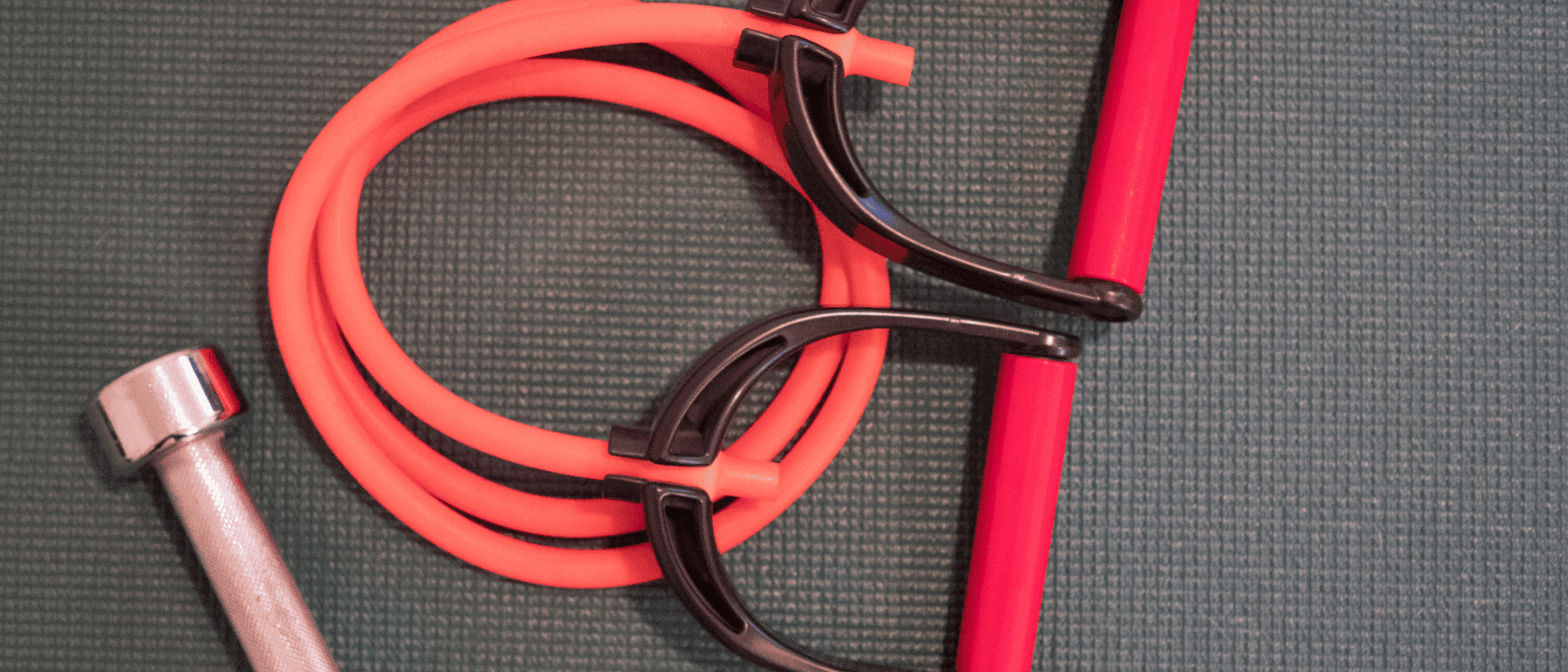
Strengthen stabilizer muscles while challenging balance during exercises
Practice hand-eye coordination with ball toss exercises during balance work
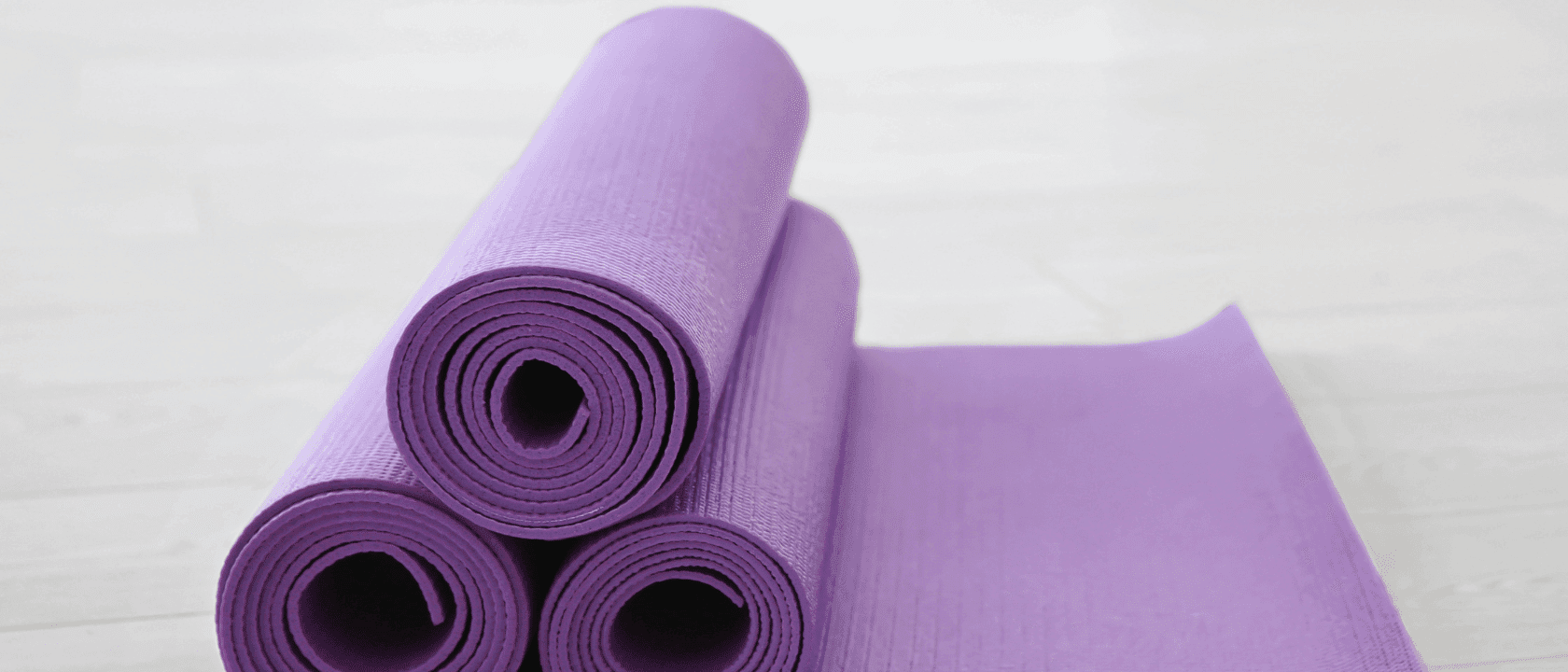
Stable, grippy surface for safe balance practice during home workouts