
Building Balanced Meals: The Plate Method That Might Work For You.
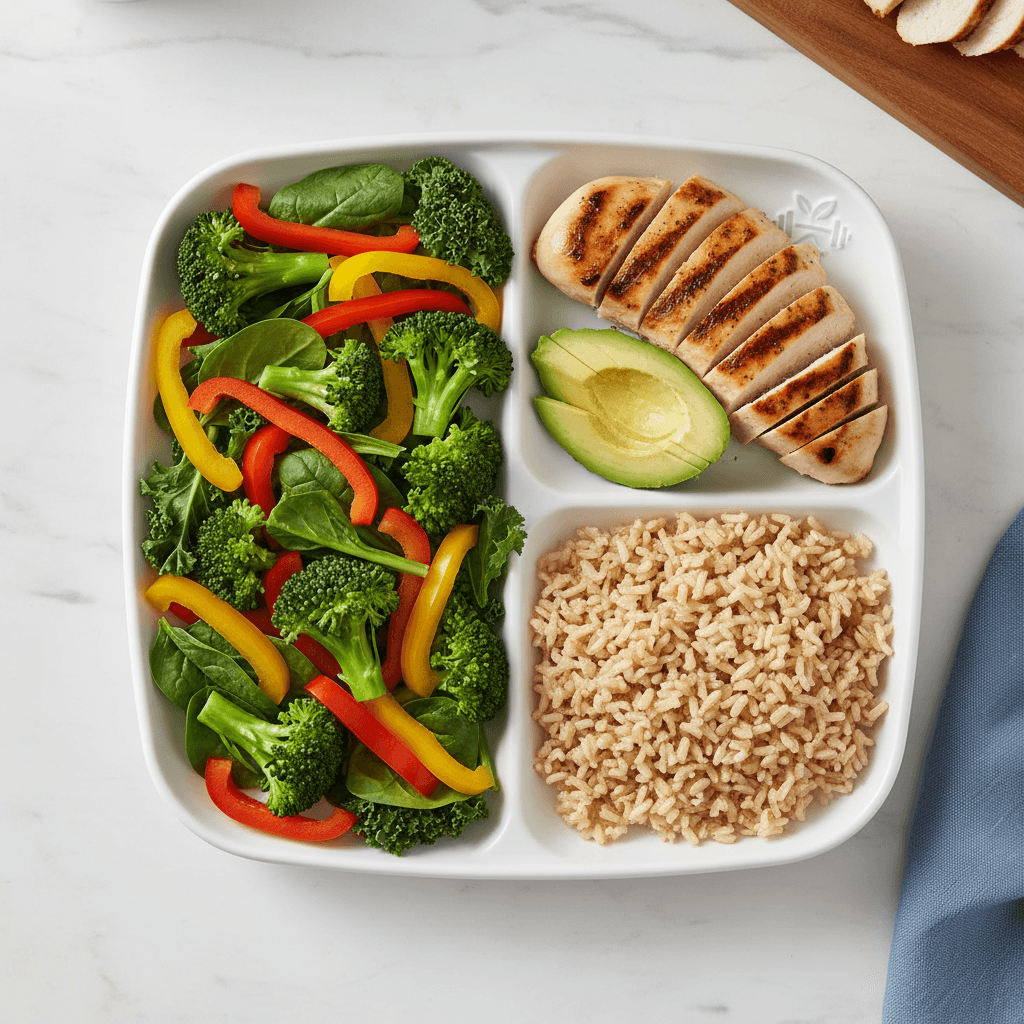
A colorful divided plate showing the ideal proportions of proteins, vegetables, whole grains, and healthy fats
Key Takeaways
- Use the visual plate method: 1/2 vegetables, 1/4 protein, 1/4 complex carbs, thumb-sized healthy fats
- Adjust proportions based on your goals but maintain the basic framework for nutritional balance
- Apply the method flexibly to restaurants, meal prep, and different cuisines for sustainable healthy eating
#The Plate Method at a Glance
The Plate Method is a visual framework for building balanced meals - no food scale required. Instead of tracking macros in a spreadsheet, you use your plate's geometry to get the proportions right.
#The Basic Formula
- Half your plate: Non-starchy vegetables - leafy greens, broccoli, cauliflower, bell peppers, tomatoes, zucchini. These provide fiber, vitamins, and minerals while keeping calorie density low. Note: potatoes, corn, and peas are starchy and belong in the carbohydrate quarter, not here.
- One quarter: Lean protein - chicken, fish, tofu, eggs, legumes. A palm-sized portion (around 20-30g) fuels muscle recovery and keeps you full.
- One quarter: Complex carbohydrates - brown rice, quinoa, sweet potatoes, whole grain pasta. Your energy source for workouts and daily life.
- A thumb of healthy fats: Avocado, nuts, seeds, olive oil. Supports hormone production and satiety.
#Adjusting for Your Goals
For weight loss:
- Keep the vegetable half but choose lower-calorie options (leafy greens over roasted root vegetables)
- Slightly reduce the carbohydrate quarter or swap for lower-calorie options like cauliflower rice
- Maintain protein to preserve muscle mass
- Measure added oils and dressings
For muscle building:
- Make protein slightly more than a quarter
- Increase the carbohydrate portion, especially around workouts
- Don't skip fats - they support hormone production
- Add snacks or a second plate if needed
For maintenance: Follow standard proportions and listen to hunger cues.
#Common Mistakes
- Counting potatoes as vegetables - they go in the carb quarter
- Drowning vegetables in high-calorie sauces - use herbs and spices instead
- Forgetting liquid calories - the method only covers food on the plate
- Oversizing protein - it's a quarter of the plate, not half
Gear for this article
Curated tools & essentials mentioned in this guide
#Applying It in the Real World
Restaurants: Most meals arrive with reversed proportions - huge protein and carbs, tiny vegetable sides. Ask for double vegetables or order a side salad to rebalance.
Meal prep: Prepare components separately - a variety of roasted vegetables, 3-4 protein options, 2-3 grain or starch options, and pre-portioned healthy fats. Mix and match throughout the week using the plate proportions as your guide.
Special situations:
- Pre-workout: shift toward more carbs, moderate protein, less fiber and fat to avoid digestive issues
- Post-workout: standard proportions, but favor faster-digesting carbs and easily absorbed protein
- Rest days: slightly fewer carbs, replaced with more vegetables
#The Bottom Line
The Plate Method works with any cuisine - Mediterranean, Mexican, Asian, or anything else - because it is about proportions, not specific foods. You don't need to follow it perfectly every meal; consistency around 80% of the time is enough to see real benefits.
Recommended Gear
Visual portion guide plates with sections for protein, carbs, and vegetables to build balanced meals automatically
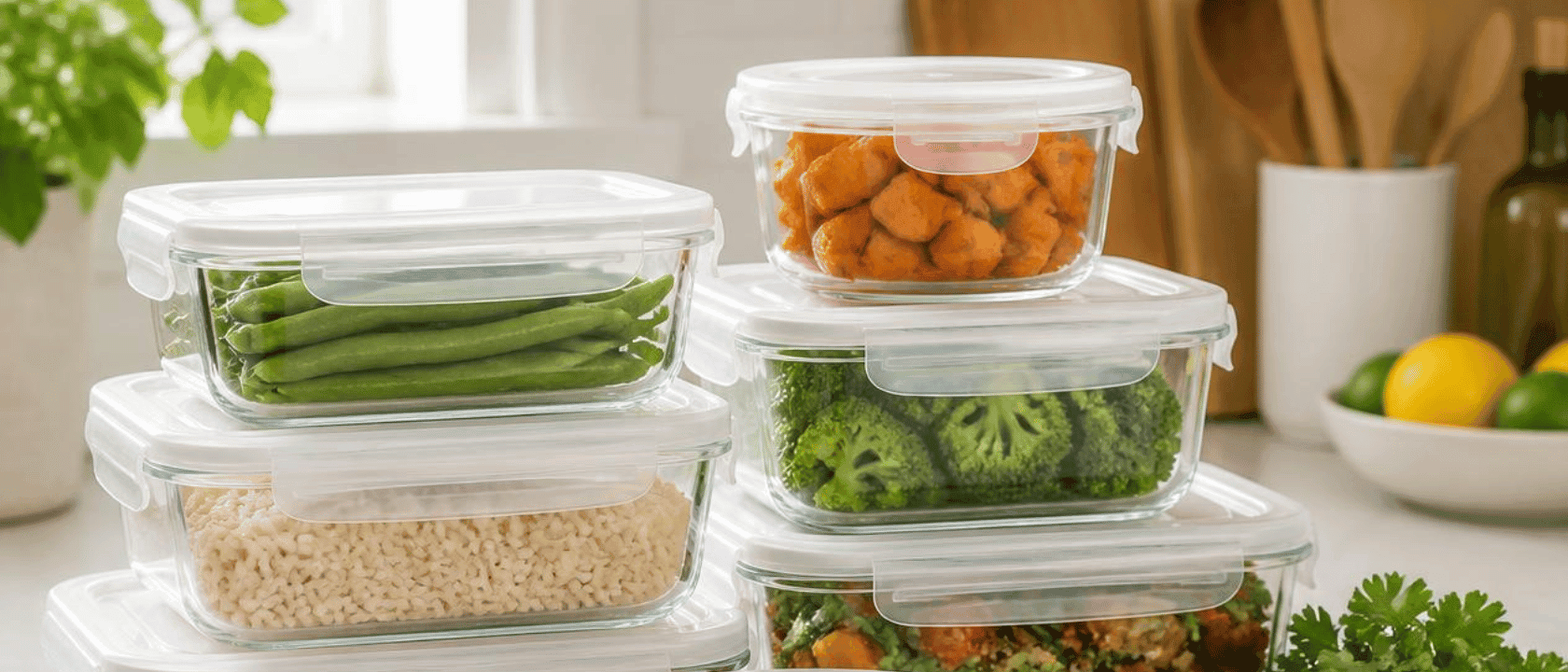
Keep proteins, carbs, and vegetables separate for perfect plate method portioning during weekly meal prep
Educational placemats showing proper food group proportions to guide balanced meal building for the whole family
Accurately weigh protein and carb portions to ensure your plate method quarters are properly sized
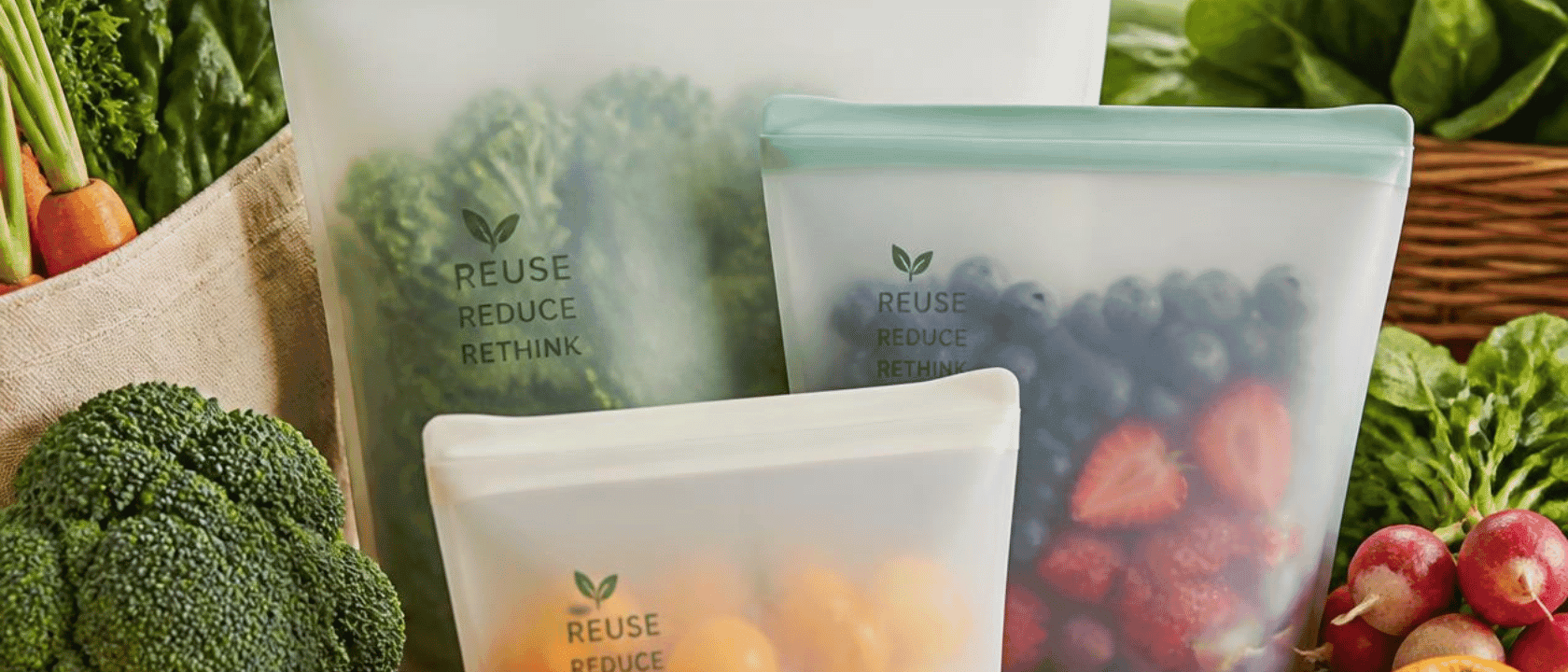
Keep vegetables fresh and dressing separate for restaurant-ordering style portion control on the go
Japanese-style divided containers naturally encourage plate method proportions for balanced packed lunches
Recipes designed with proper portion sizes and balanced macros following the plate method framework