
Breathing 101: Why You're Probably Doing It Wrong
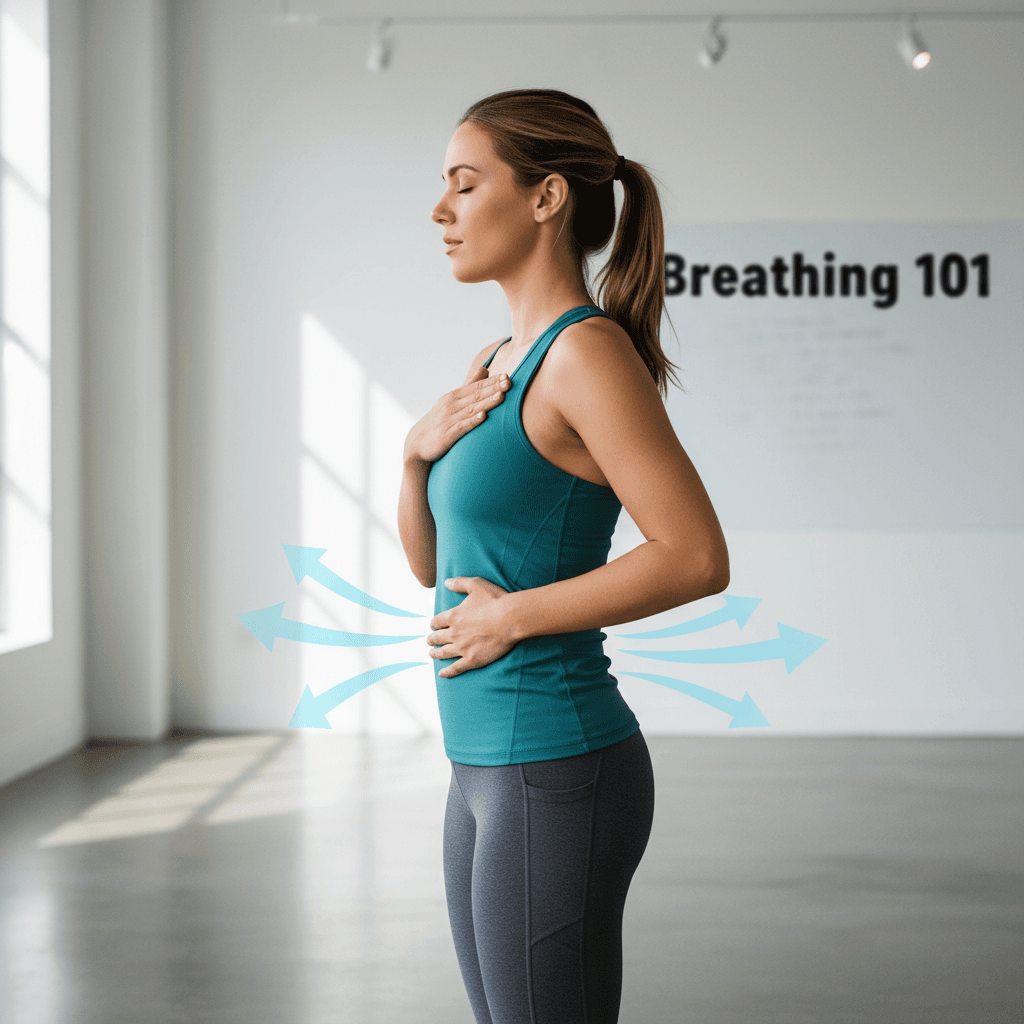
Person demonstrating proper diaphragmatic breathing with hand on chest and belly, showing the expansion of the abdomen
Key Takeaways
- Exhale during the hardest part of any exercise movement, inhale during the easier return phase
- Practice belly breathing daily to improve oxygen delivery and exercise performance
- Never hold your breath during exercise unless you're an experienced lifter using specific techniques
Most people breathe poorly the moment they pick up a weight or start cardio - holding their breath or breathing in a way that limits performance and increases risk.
#The Golden Rules
#Rule 1: Exhale on Exertion
Breathe out during the hardest part of any movement.
- Pushing a weight up? Exhale.
- Standing from a squat? Exhale.
- Pulling a cable down? Exhale.
#Rule 2: Inhale on the Easy Part
The lowering or returning phase is your inhale moment - descending into a squat, lowering the weight, letting the cable return.
#Rule 3: Never Hold Your Breath
Holding your breath during exertion spikes blood pressure dramatically, stops oxygen delivery to muscles, and causes dizziness and lightheadedness. The only exception is the Valsalva maneuver used by experienced lifters for maximum lifts - that is a specific technique, not just holding your breath and hoping.
#Breathing Patterns by Activity
Strength training: Controlled 2-2 breathing - 2 counts exhale during exertion, 2 counts inhale during release. Keep it rhythmic.
Running/jogging (beginners): 2 steps inhale, 2 steps exhale. As fitness improves, try 3-2 or 4-3 patterns.
Flexibility and stretching: Slow and deep - 4-6 second inhales, 4-6 second exhales. Use exhales to gradually deepen stretches.
Core work (planks, ab exercises): Count out loud - "1-Mississippi, 2-Mississippi..." If you can count, you are breathing. This prevents the common breath-holding reflex under core tension.
#Belly Breathing - Train Your Diaphragm
Many people breathe with only their chest. Diaphragmatic (belly) breathing improves oxygen delivery and performance.
Practice daily for 5 minutes:
- Lie on your back, knees bent
- Place one hand on chest, one on belly
- Breathe in slowly - only the belly hand should rise
- Chest stays relatively still
Gear for this article
Curated tools & essentials mentioned in this guide
#Common Mistakes
- Breathing too fast: Causes hyperventilation, dizziness, and poor oxygen exchange. Deeper, slower breaths deliver more oxygen than rapid shallow ones.
- Forgetting to breathe during core work: Count out loud to force a regular breathing pattern.
- Inconsistent patterns: Establish a rhythm and stick to it.
#Performance Benefits
Proper breathing can improve endurance by up to 15% in some studies. Strength output improves, recovery between sets speeds up, and exercise feels easier at the same intensity.
#If You Feel Panicky During Exercise
- Stop and stand tall
- Do 4-7-8 breathing: inhale for 4, hold for 7, exhale for 8
- Repeat 3-4 times
- Resume at lower intensity
If you cannot breathe properly during an exercise, you are likely going too heavy or too fast. Reducing load to maintain a proper breathing pattern is smart, not weak.
Recommended Gear
Strengthen respiratory muscles for improved endurance and oxygen efficiency during workouts
Monitor blood oxygen levels during exercise to ensure proper breathing technique
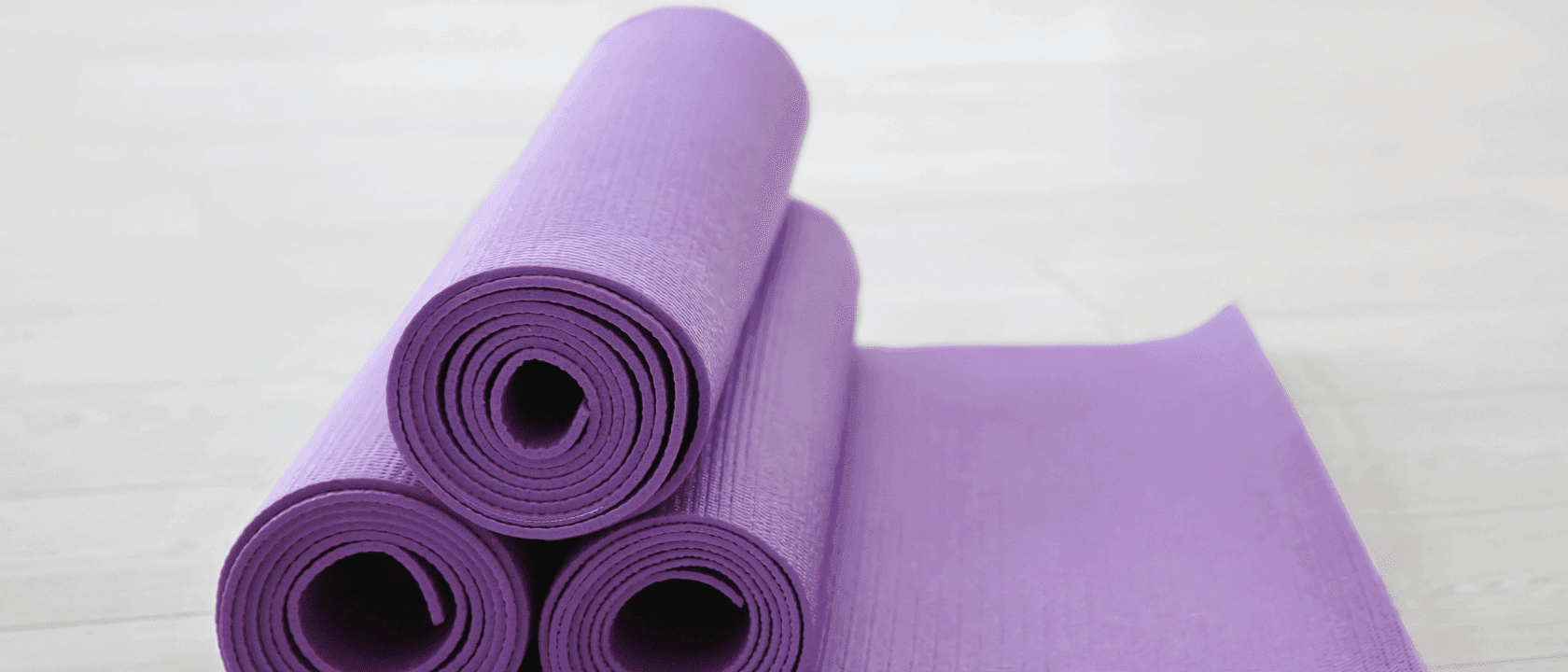
Comfortable surface for practicing diaphragmatic breathing exercises lying down
Roll out tight chest muscles to improve breathing capacity and lung expansion
Better posture allows fuller diaphragmatic breathing during all activities
Track heart rate and breathing patterns during workouts for optimal performance
Improve nasal airflow during warm-ups and lighter intensity exercise