
Losing Fat, Not Muscle: The Protein Priority Principle
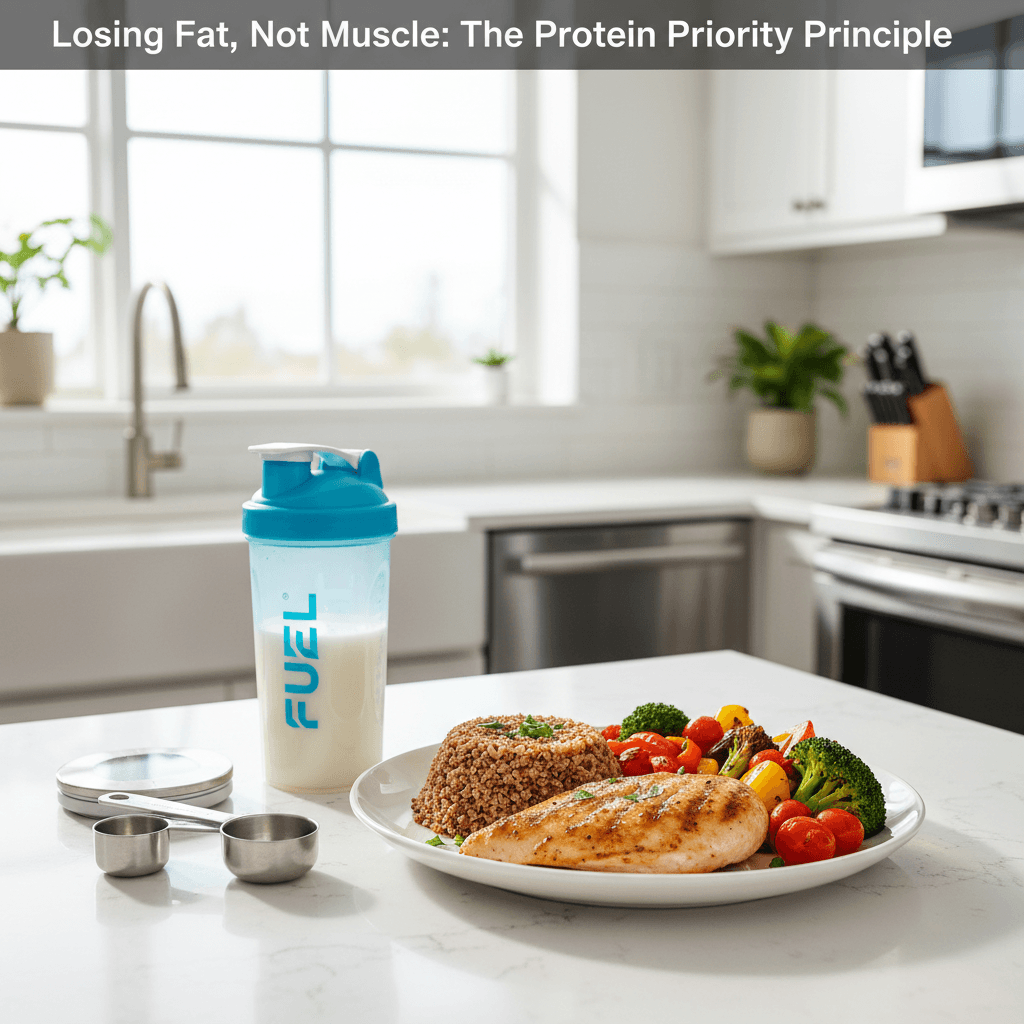
Split image showing a plate divided into sections with lean protein sources prominently featured, alongside a person doing resistance training
Key Takeaways
- Aim for 1.6-2.2g of protein per kg of body weight daily to preserve muscle during fat loss
- Distribute protein intake evenly across meals (25-40g per meal) rather than loading at dinner
- Combine adequate protein with resistance training 2-3x per week for optimal muscle preservation
#Why Protein Is Non-Negotiable During Fat Loss
When you eat in a calorie deficit, your body needs energy and doesn't perfectly distinguish between fat and muscle. Without the right signals, it breaks down both. Research shows that up to 25% of weight lost on a typical diet can come from muscle - not fat. Muscle burns more calories at rest than fat does, so losing it slows your metabolism and makes long-term maintenance harder.
#The Protein Priority Principle
Protein is the only macronutrient that directly signals your body to preserve and build muscle. People who prioritize protein during weight loss lose a similar total amount of weight, but more of it comes from fat and less from muscle.
#How Much Do You Actually Need?
The standard RDA of 0.8g per kg is for sedentary people avoiding deficiency - not for anyone in a calorie deficit or doing resistance training. For fat loss while preserving muscle, research points to 1.6-2.4g per kg of body weight (roughly 0.7-1.1g per pound).
For a 70kg (154lb) person, that means 112-168g of protein daily, with 2.2g/kg (approximately 154g) being a solid target for most.
#How to Distribute It
Trying to cram your entire protein target into dinner is not sustainable. Instead, aim for 25-40g per meal and use protein-rich snacks to fill the gaps. A realistic day might look like:
- Breakfast: 3 eggs + Greek yogurt = ~38g
- Lunch: Grilled chicken on salad = ~35g
- Dinner: Salmon fillet = ~34g
- Snack: Protein shake or cottage cheese = ~20g
Plan protein first when designing any meal, then build the rest of the plate around it.
#The Thermic Effect Bonus
Protein carries the highest thermic effect of any macronutrient - your body burns 20-30% of protein's calories just to digest and process it (versus 5-10% for carbs and 0-3% for fats). Every 100 calories of protein nets roughly 70-80 usable calories.
Gear for this article
Curated tools & essentials mentioned in this guide

#Common Myths Cleared Up
- "High protein damages kidneys" - No evidence of harm in healthy individuals.
- "You can only absorb 30g at once" - False. Your body absorbs more; it just takes longer. The 30g figure relates to optimal muscle protein synthesis per meal, not absorption limits.
- "Plant protein doesn't count" - Plant proteins work; you may need slightly higher total amounts to get the same effect.
#Protein + Resistance Training - The Combination That Works
Protein alone is not enough. Resistance training sends the signal to your body to hold onto muscle. Even 2-3 sessions per week of basic resistance training - bodyweight exercises, resistance bands, or light weights - dramatically improves muscle retention during fat loss.
#What to Expect
The scale may move a bit slower when you eat enough protein and preserve muscle. That is normal and expected. Body composition and long-term health improve meaningfully - you lose mostly fat, keep your strength, and support a higher resting metabolism going forward.
Recommended Gear
High-quality, fast-absorbing protein to help meet daily targets and preserve muscle during calorie deficits
Accurately weigh protein portions to ensure you're hitting 1.6-2.2g per kg bodyweight for muscle preservation
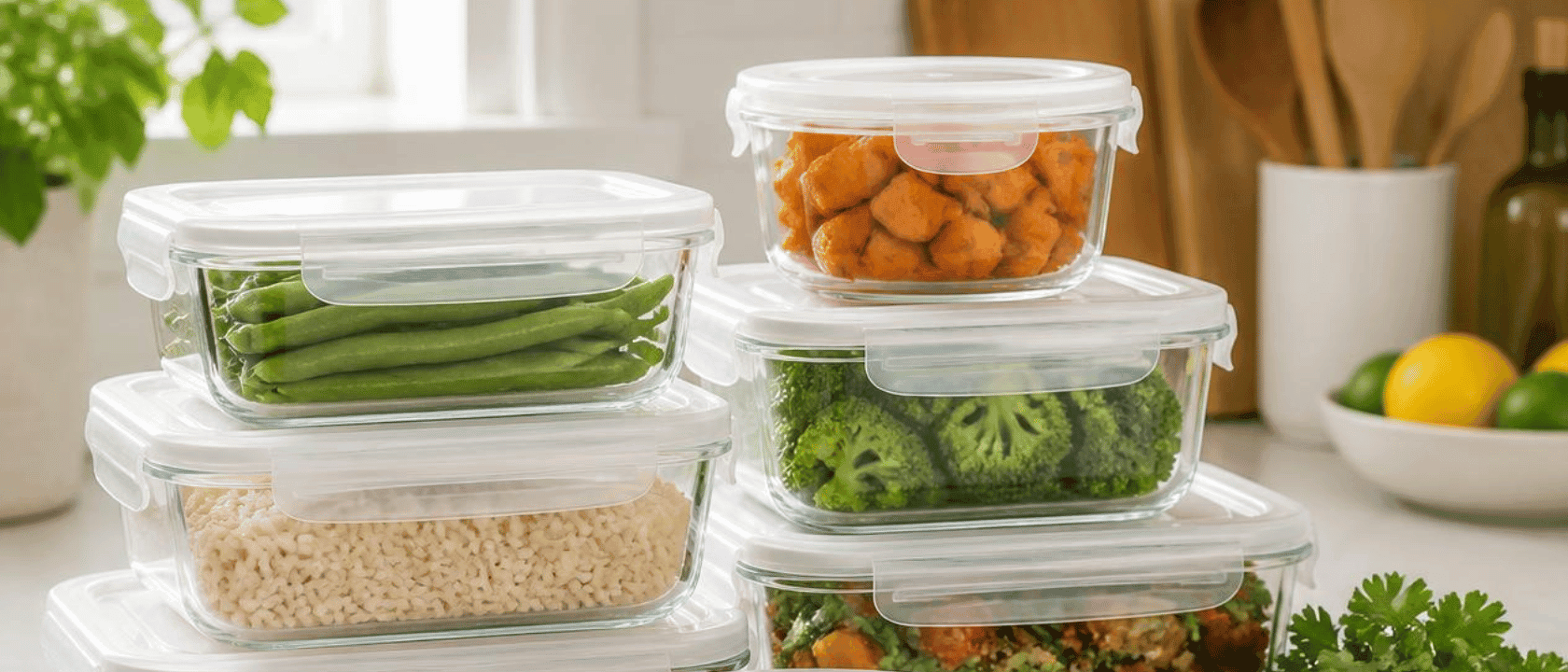
Pre-portion protein-rich meals for the week to distribute intake evenly across 25-40g servings
Mix protein shakes on-the-go for convenient protein intake when whole food sources aren't available
Emergency protein when you're behind on daily targets with 20g+ protein per bar for easy catching up
Essential for 2-3x weekly resistance training that signals your body to preserve muscle during fat loss
Recipes with 30g+ protein per serving to make hitting daily targets enjoyable and sustainable