
Flexibility vs Mobility: What's the Difference and Why You Need Both
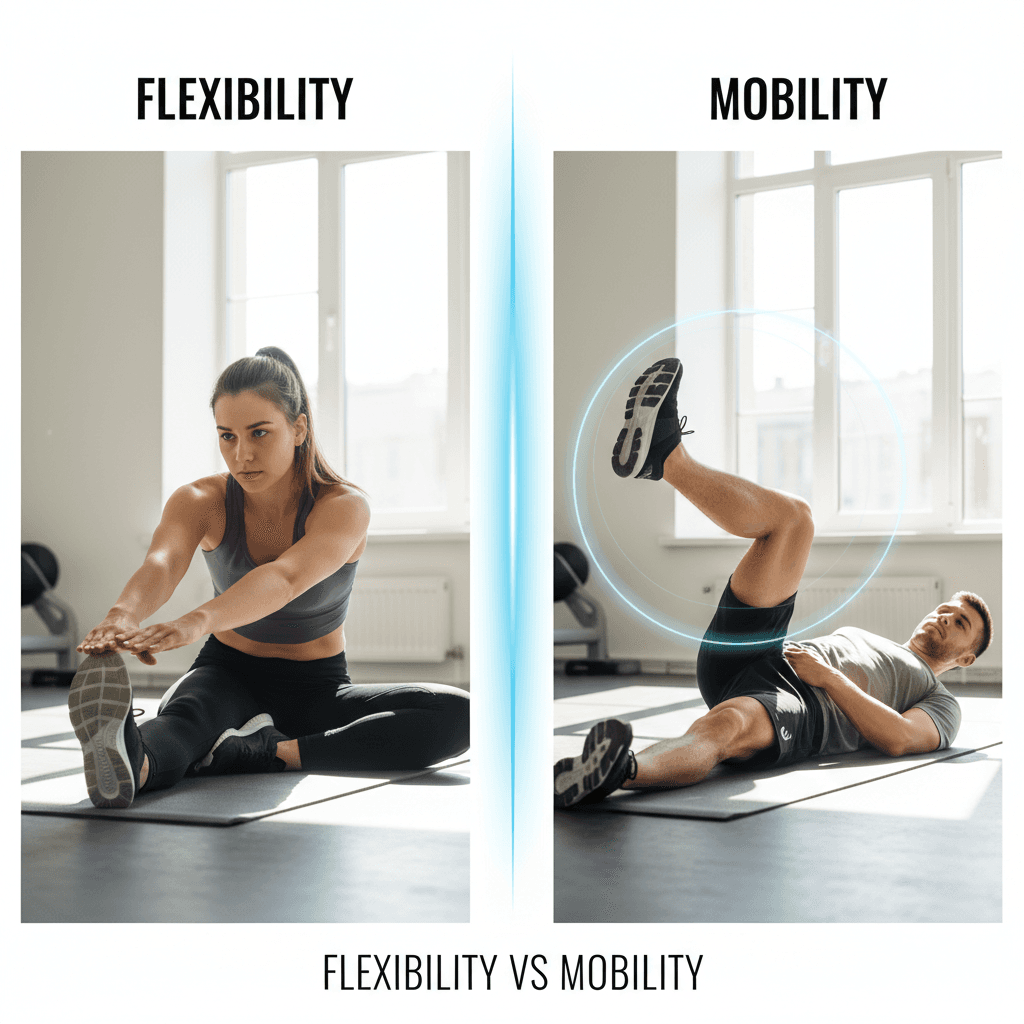
Split image showing a person stretching in a static hamstring stretch on the left (flexibility) and performing a dynamic hip circle movement on the right (mobility), with visual indicators showing the difference between passive range and active control
Key Takeaways
- Flexibility is passive range of motion; mobility is active control through that range - you need both for safe, effective movement
- Test your flexibility-mobility gap by comparing passive vs active range of motion to identify your specific needs
- Build both with a balanced approach: dynamic mobility work before workouts, static flexibility after, plus daily CARs for integration
#Flexibility vs Mobility: What's the Difference and Why You Need Both
Flexibility is your passive range of motion - how far a joint can move when an external force assists it. Mobility is your active control through that range - combining flexibility with strength, stability, and neuromuscular control.
You can have lots of flexibility but poor mobility, or the reverse. Both matter, and knowing the difference changes how you train.
#The Key Distinction
Think of it this way: having flexibility without mobility is like owning a sports car but only knowing how to floor it or brake - no finesse in between.
Signs of good flexibility:
- Can touch your toes when bending forward
- Can have someone push your leg up high
Signs of good mobility:
- Can lift that same leg high using only your muscles
- Can squat deeply with control
The gap test: Lie on your back. Have someone lift your straight leg as high as possible (flexibility). Then lift it yourself with no assistance (mobility). A large difference between those two heights means you need more mobility work.
#Why This Matters: Injury and Performance
Being very flexible without matching mobility actually increases injury risk. Joints can move through a large range but lack the stability to stay safe under load. If you can't squat properly, the problem is most likely not tight muscles - it's a lack of control and stability in that range of motion.
Common problems from flexibility without mobility:
- Joint instability
- Compensatory movement patterns
- Muscle strains from lack of control
#Building Both: The Balanced Approach
#For Flexibility (2-3 times per week):
Static Stretching - hold stretches for 30-60 seconds. Best done after workouts or on rest days. Never force or bounce.
#For Mobility (daily, before workouts):
Dynamic Movements - controlled movements through full range. Example routine:
- Arm circles: 10 forward, 10 backward
- Leg swings: 10 each direction, each leg
- Cat-cow stretches: 10 slow reps
- Controlled squats: 10 reps, focusing on range
- Walking lunges: 10 steps total
#CARs: The Bridge Between Both
Controlled Articular Rotations (CARs) move a joint slowly through its full range with maximum control. Go slow - 30-45 seconds per rotation. Use maximum muscle tension. Do one joint at a time. Shaking means you're doing it right.
Gear for this article
Curated tools & essentials mentioned in this guide
#A Simple Weekly Structure
- Workout days: 5-minute dynamic mobility warm-up before, 5-minute static flexibility cool-down after
- Rest days: 10-minute CAR routine, then yoga or stretching
#Common Mistakes to Avoid
- Static stretching before lifting - temporarily weakens muscles; do dynamic mobility instead
- Flexibility without strength work - creates useless flexibility you can't control
- Forcing range of motion - pain means stop; discomfort is acceptable, pain is not
- Comparing to hypermobile people - they may actually need strength work more than stretching
#Real-World Payoff
Better flexibility and mobility show up as: squatting to pick things up without knee pain, reaching overhead without shoulder impingement, turning to look behind you while driving, and getting up from the floor smoothly.
If you can only choose one to focus on first, prioritize mobility - it includes some flexibility work naturally and builds the control that keeps you safe.
Recommended Gear
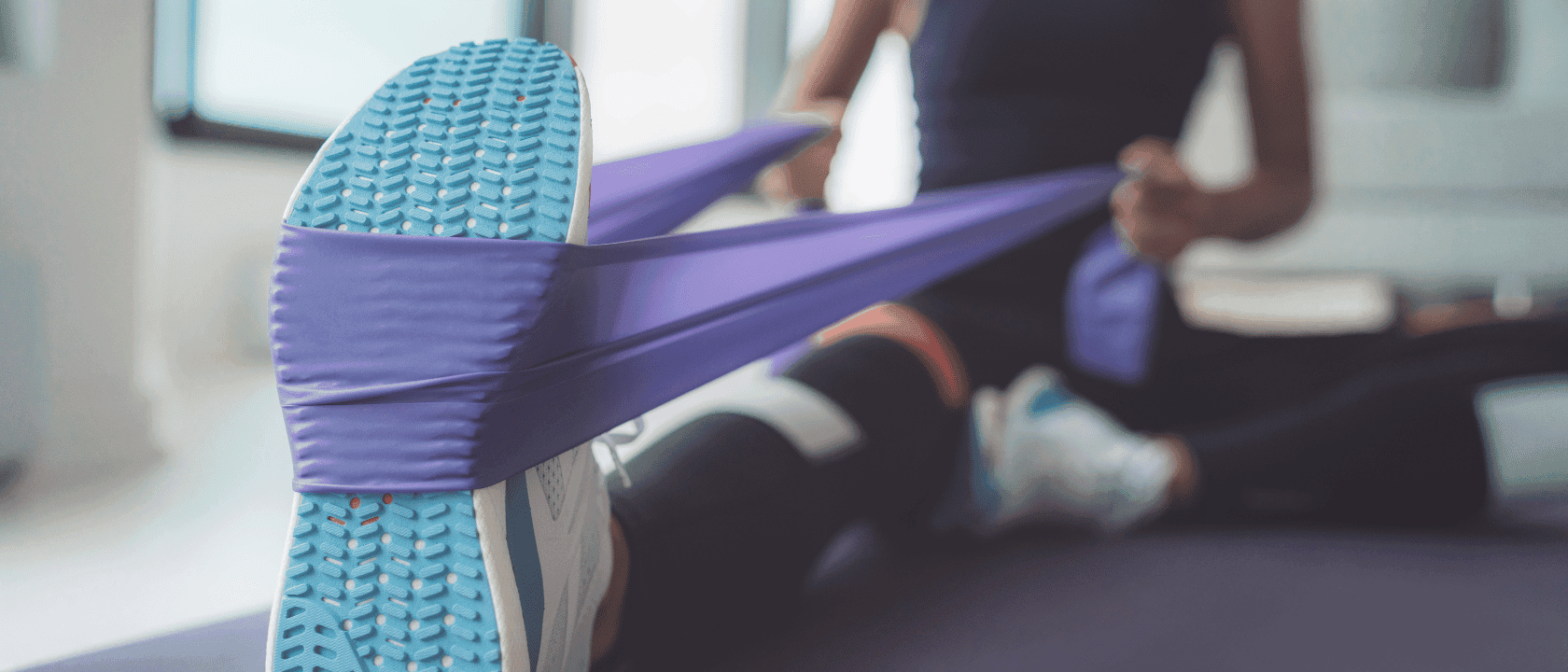
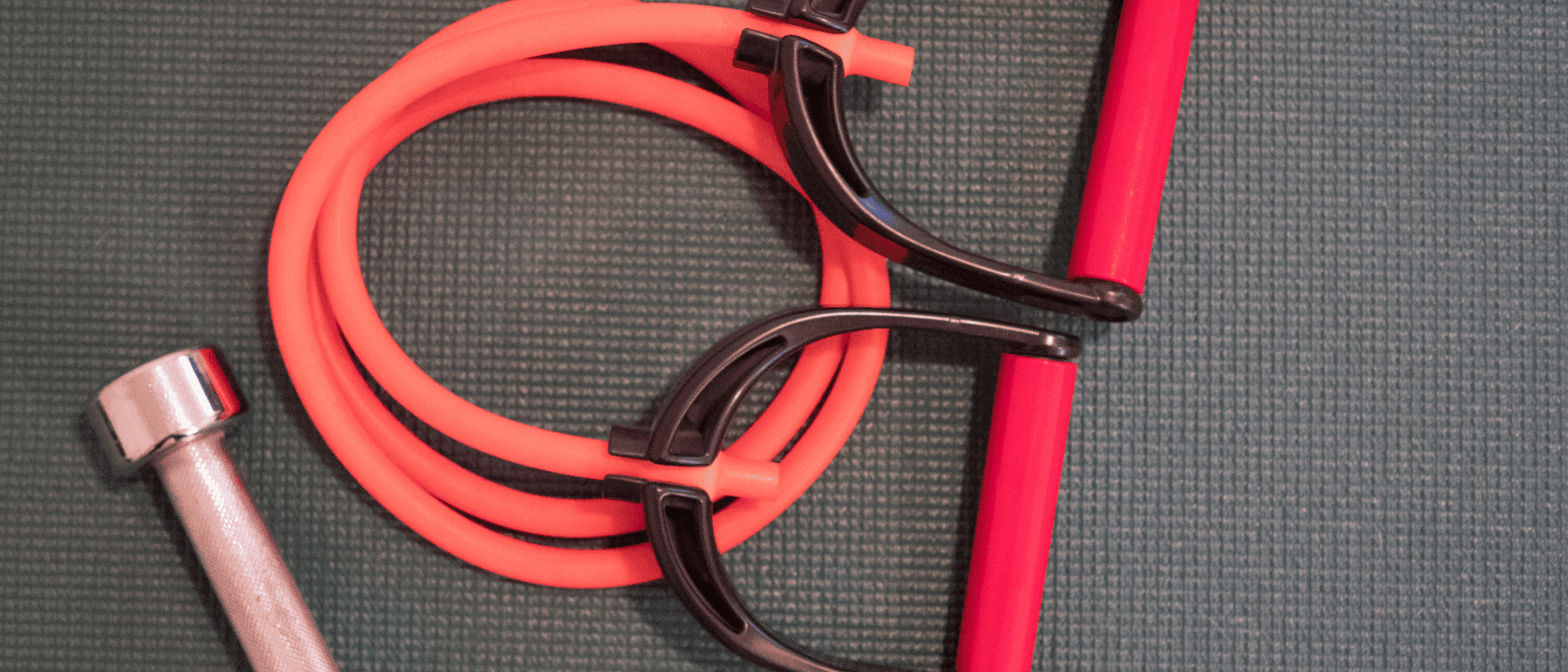
Build strength through range of motion with progressive resistance levels
Complete mobility toolkit for myofascial release and flexibility improvement
Improve flexibility safely with gradual assisted stretching at home
Support proper alignment during flexibility work when range is limited
Activate and strengthen hip muscles for better squat and hinge mobility
Target tight spots and improve tissue quality for better mobility
Improve ankle dorsiflexion for deeper squats and better movement mechanics