
Nutrient Dense vs Calorie Dense: The Food Quality Spectrum
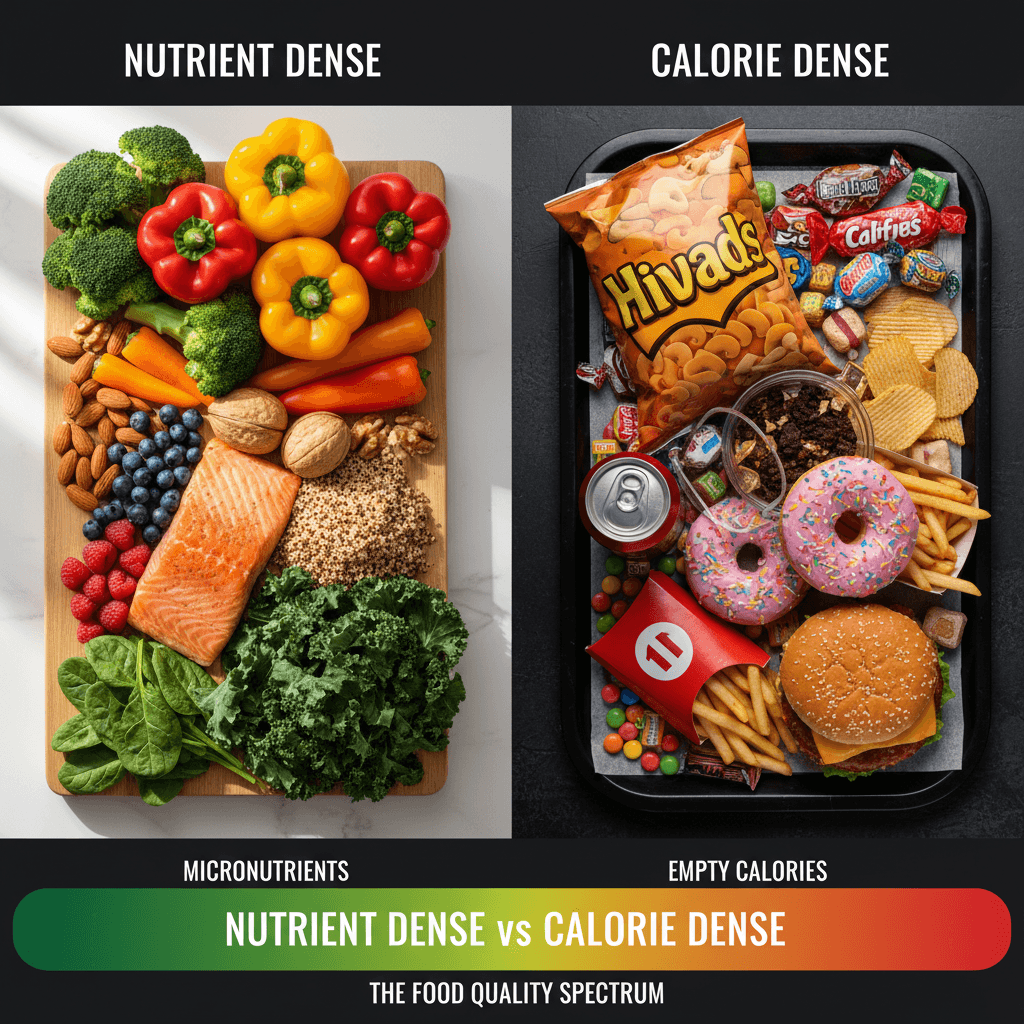
A vibrant split-screen image showing nutrient-dense foods (colorful vegetables, lean proteins, whole grains) on one side and calorie-dense foods (processed snacks, sugary drinks, fried foods) on the other, with a gradient spectrum bar beneath
Key Takeaways
- Focus on getting more nutrients per calorie by choosing whole, minimally processed foods most of the time
- Use the 80/20 approach - 80% nutrient-dense choices, 20% whatever you enjoy for sustainable healthy eating
- Volume eating with nutrient-dense foods lets you eat satisfying portions while managing calories naturally
#What Nutrient Density Means
Nutrient density is the amount of beneficial nutrients (vitamins, minerals, fiber, protein) you get per calorie. A cup of spinach delivers vitamins, minerals, and fiber for about 7 calories - maximum nutrients, minimal calories. A glazed donut delivers 250+ calories and little else.
#The Spectrum
- Ultra nutrient-dense: Leafy greens (spinach, kale), berries, cruciferous vegetables, lean proteins - maximum nutrients, minimal calories
- Moderately nutrient-dense: Whole grains, starchy vegetables, dairy, nuts and seeds
- Calorie-dense, lower nutrients: Refined grains, fried foods, sugary drinks, most desserts
Note: calorie-dense does not always mean unhealthy - nuts, avocados, and olive oil are calorie-dense but rich in beneficial nutrients.
#Volume Eating
One practical benefit of nutrient-dense foods: you can eat far more food for the same calories. 300 calories of strawberries is about 4.5 cups. 300 calories of chocolate is about 2 small candy bars. The strawberries keep you fuller longer.
#Frozen vs Fresh
Frozen vegetables are often MORE nutrient-dense than fresh - they are frozen at peak ripeness, preserving their nutritional content.
#The 80/20 Approach
Aim for 80% nutrient-dense choices and 20% whatever you enjoy. That 20% includes pizza, ice cream, or your grandmother's cookies. This is not cheating - it is sustainable living that balances nutrition with enjoyment.
#When Calorie-Dense Foods Make Sense
Very active people may struggle to eat enough total calories from nutrient-dense foods alone. Efficient calorie sources are sometimes necessary - especially for endurance athletes, underweight individuals, and high-output training periods.
#Your Action Plan
- Pick one meal: Start with breakfast, lunch, or dinner - make it more nutrient-dense for one week.
- Add before you subtract: Add berries to your cereal before switching cereals. Add vegetables before removing other foods.
- Use the plate method: Half plate vegetables, quarter protein, quarter whole grains.
- Prep the good stuff: When nutrient-dense foods are as convenient as calorie-dense ones, you will choose them more often.
#Breakfast Swap to Start
Instead of sugary cereal - Try oatmeal with berries. This single swap adds whole grains and antioxidants while cutting added sugar.
Gear for this article
Curated tools & essentials mentioned in this guide
#The Bottom Line
Nutrient density is not about perfection or restriction. Gradually shift toward options that fuel your body well - without guilt for enjoying less nutrient-dense foods. Quality and quantity both matter: even healthy foods like nuts need portion awareness. Start small, build the habit, and enjoy the process.
Recommended Gear
Measure calorie-dense foods like nuts and oils precisely to understand true portion sizes and calorie content
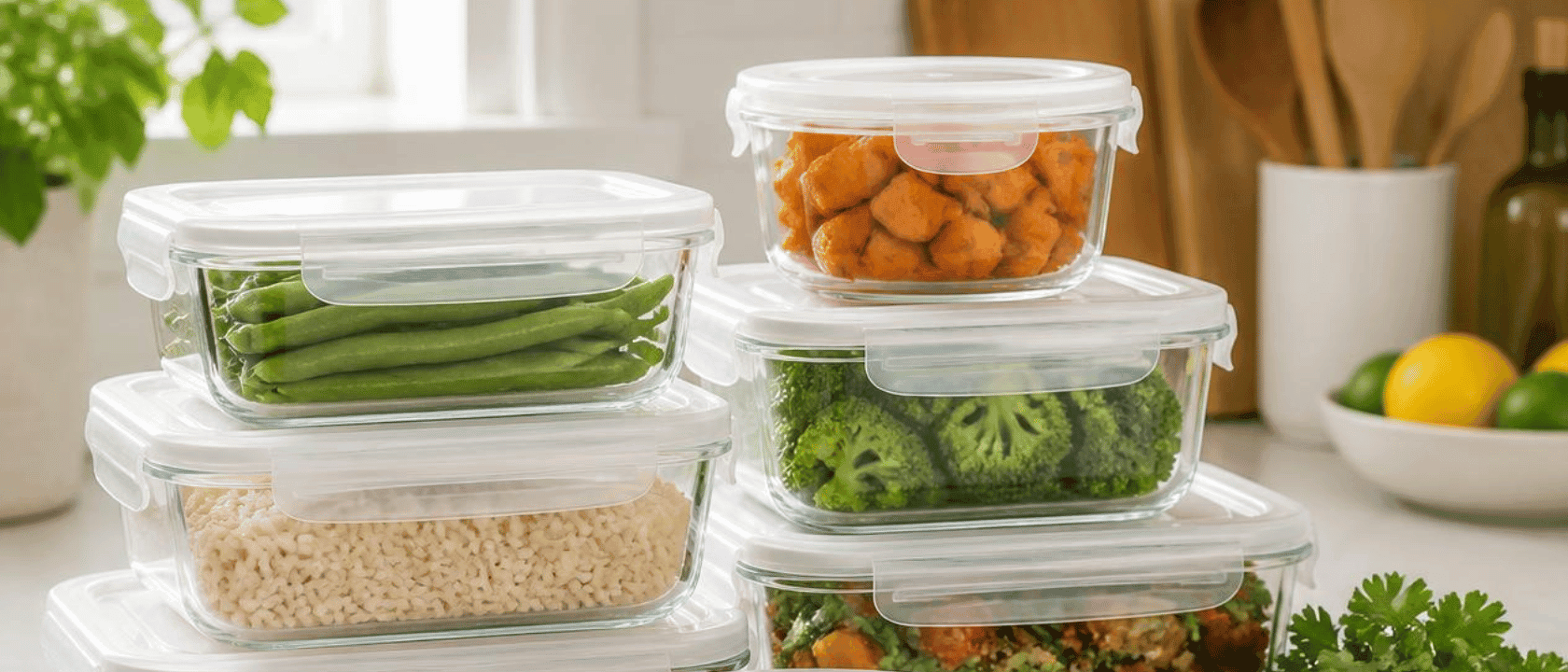
Pre-portion nutrient-dense meals for the week to make healthy choices convenient and automatic
Frozen berries are often more nutrient-dense than fresh and perfect for smoothies and oatmeal toppings
Recipes focused on maximizing nutrition per calorie with whole foods and smart cooking techniques
Turn vegetables into noodles for volume eating with nutrient-dense, low-calorie pasta alternatives
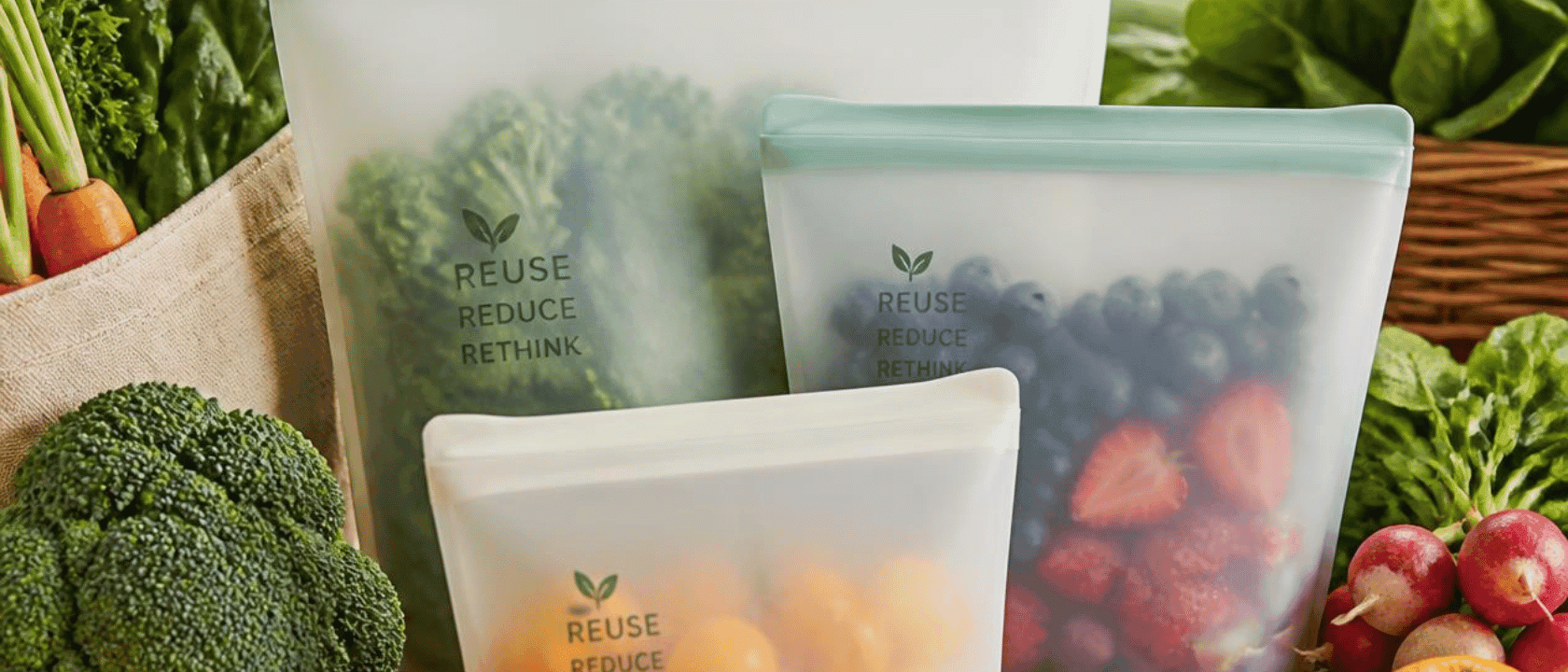
Stock up on fresh vegetables and fruits easily with eco-friendly bags for your nutrient-dense grocery hauls
Cook nutrient-dense foods with minimal oil for crispy textures without the calorie-dense deep frying