
Protect Your Back: Mastering the Hip Hinge
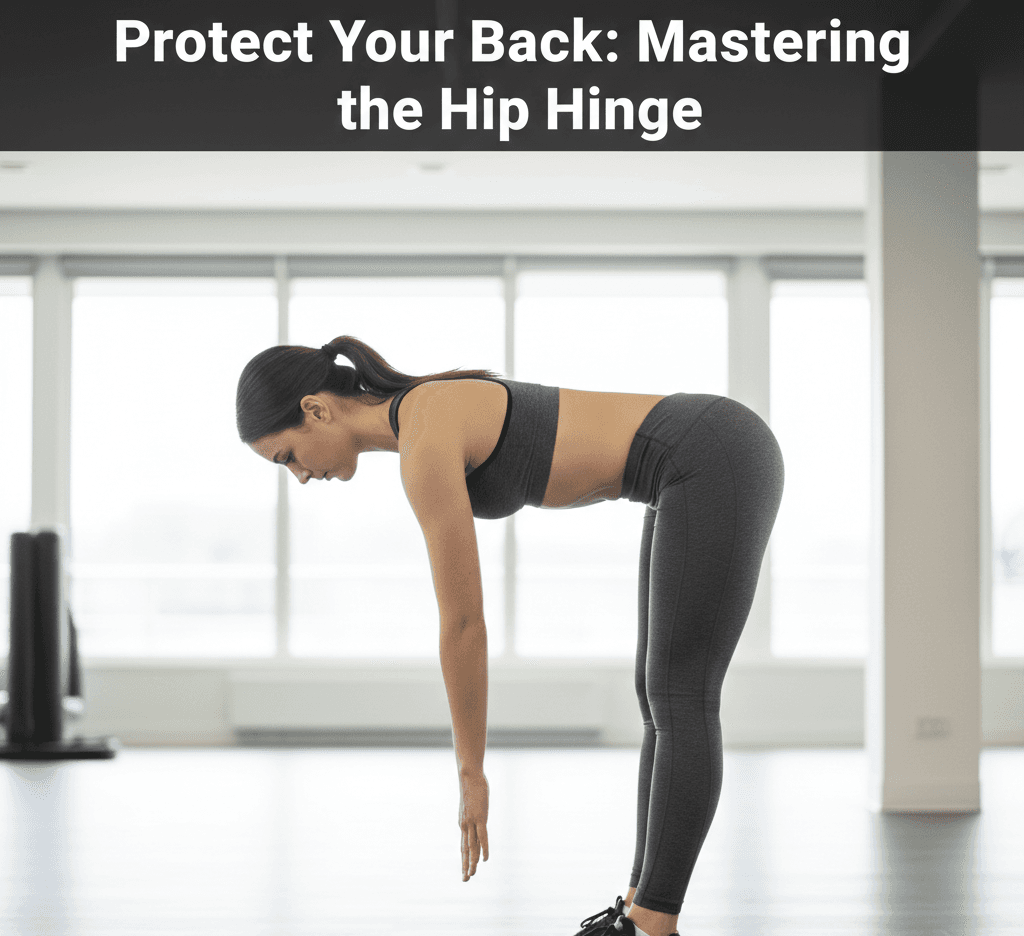
Person demonstrating proper hip hinge form with a straight back and pushed-back hips
Key Takeaways
- The hip hinge protects your spine by using your hips as the primary hinge point rather than rounding your back
- Practice the wall drill daily to ingrain the movement pattern before adding any weight
- Use hip hinge mechanics for all daily activities involving picking things up from the ground
#Why the Hip Hinge Matters
The hip hinge is the single most important movement pattern to master. Every time you pick something up - a pencil, a bag, or a barbell - you're either protecting or stressing your back. Done correctly, it uses your hips as the primary pivot so your spine stays safe.
#What a Hip Hinge Is
The hinge comes from rotating at your hips, not bending your spine. Your back stays relatively straight while your butt pushes backward. The correct body positions are:
- Hips pushed back (not down)
- Spine stays neutral throughout
- Knees bend only slightly - shins stay mostly vertical, not traveling forward
- Weight shifted into your heels
- Hamstrings and glutes do the work - not your lower back
If you feel it in your lower back, your spine is rounding instead of hinging.
#The Wall Drill - Best Way to Learn
Stand facing away from a wall, about 6 inches away. Push your butt back until it touches the wall - your knees should barely bend. This drill teaches you to initiate from your hips, not your knees or back.
Best mental cue: "Push your butt straight back like trying to touch a wall behind you."
#Learning Progression
Start simple and build up:
- Wall touches - learn the basic hinge pattern
- Stick/broomstick hinges - reinforce a flat back
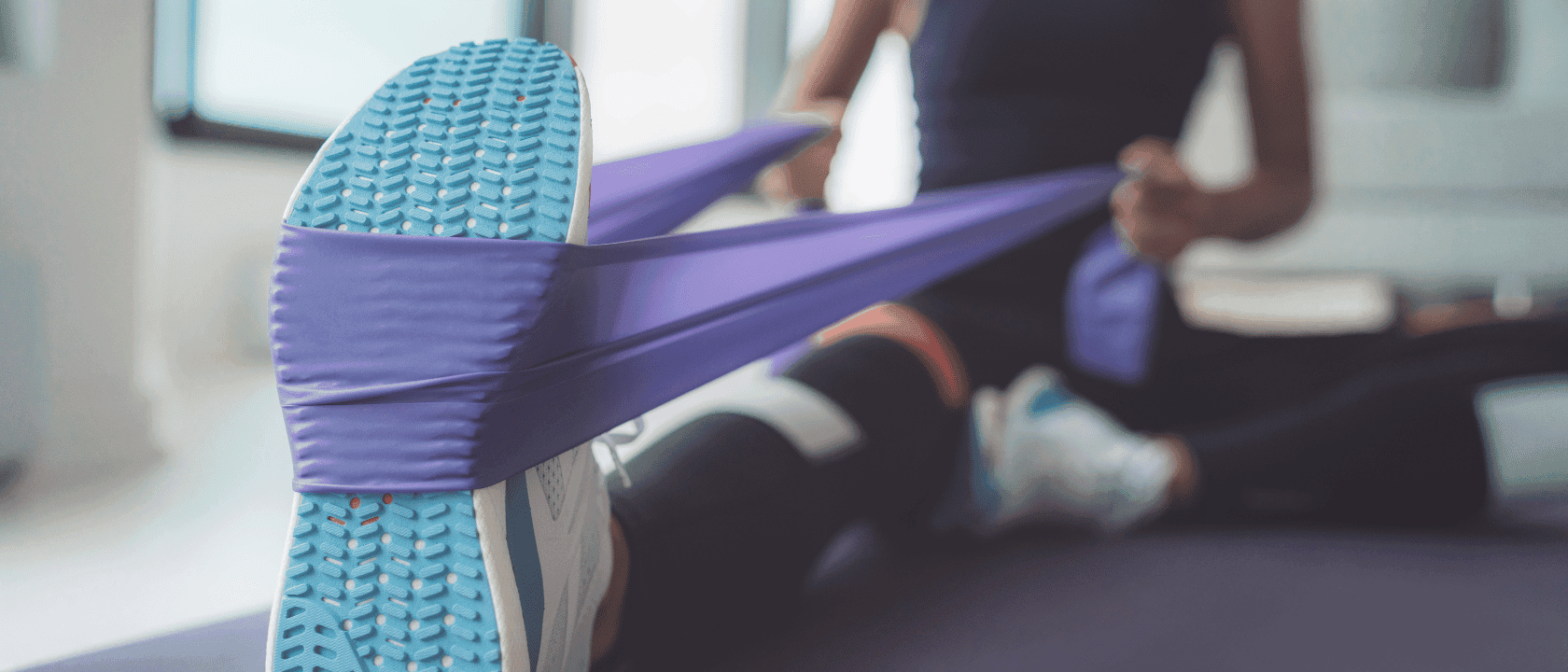
- Add light resistance - bands or light weight at chest
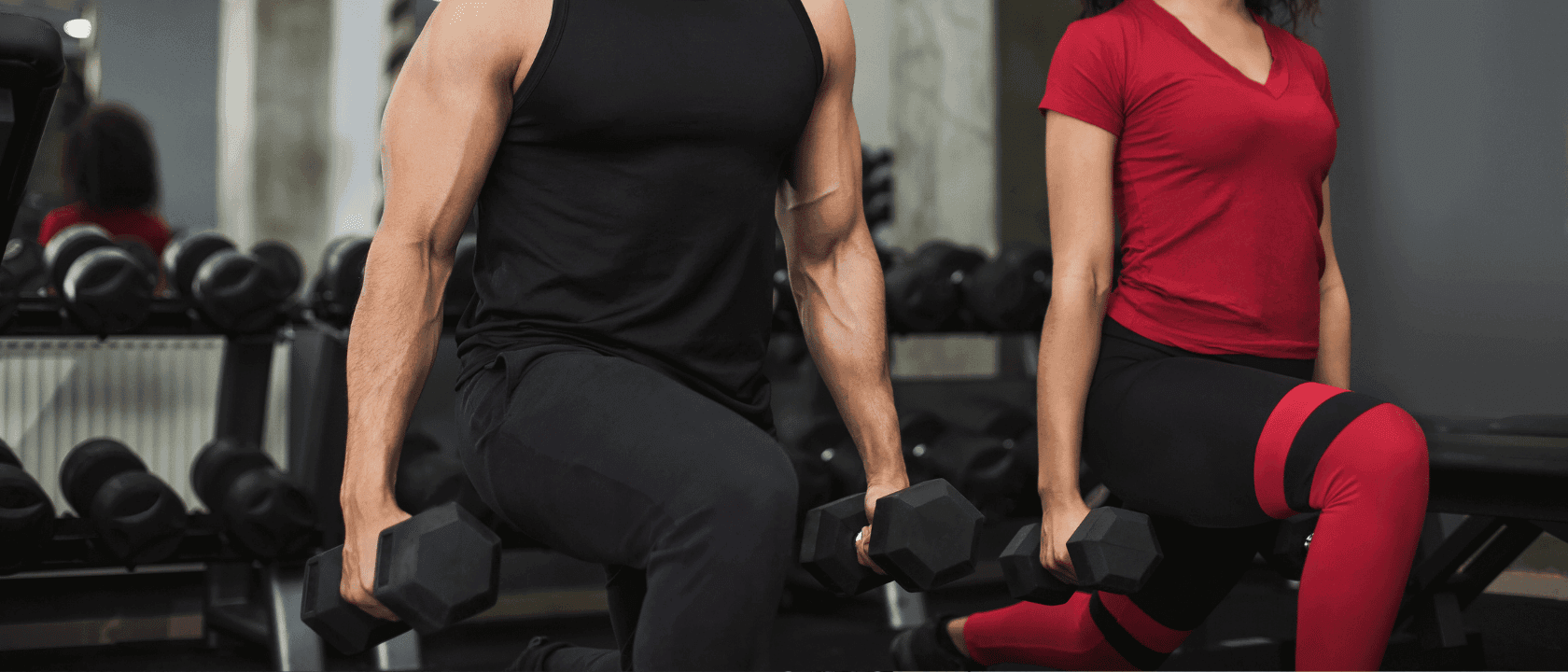
- Light deadlifts - kettlebell and dumbbell deadlifts, then Romanian deadlifts
Stop descending at any point when you can't maintain a flat back. Work within your range - going further by rounding your spine defeats the purpose.
#Hip Hinge vs. Squat
The hip hinge is not a squat. In a squat, hips go down and knees travel forward. In a hip hinge, hips go back and shins stay vertical.
Gear for this article
Curated tools & essentials mentioned in this guide
#Real-Life and Gym Applications
The clearest real-life example is picking up a heavy box from the floor with your back straight - that is the hip hinge. You also use it for loading the dishwasher, gardening, and playing with kids.
In the gym, these exercises all use the hip hinge pattern: deadlifts, Romanian deadlifts (RDLs), and good mornings.
#Tight Hamstrings
Tight hamstrings limit your range because they prevent your hips from rotating backward fully while your spine stays neutral. The fix is to bend your knees a bit more, reduce range of motion, and work on hamstring flexibility separately - not to round your back to reach further.
Recommended Gear
Add progressive resistance to hip hinge practice while getting form feedback
Ensure spine stays neutral during hip hinge practice by keeping contact points
Progress from bodyweight to loaded hip hinges with kettlebell deadlifts and swings
Perfect for Romanian deadlifts and single-leg hip hinge progressions
Improve hamstring flexibility for better hip hinge depth and range of motion
Gradually improve hamstring flexibility when tight muscles limit hip hinge range
Support core bracing when progressing to heavier loaded hip hinge movements