
Recovery Nutrition: What to Eat After Your Workout
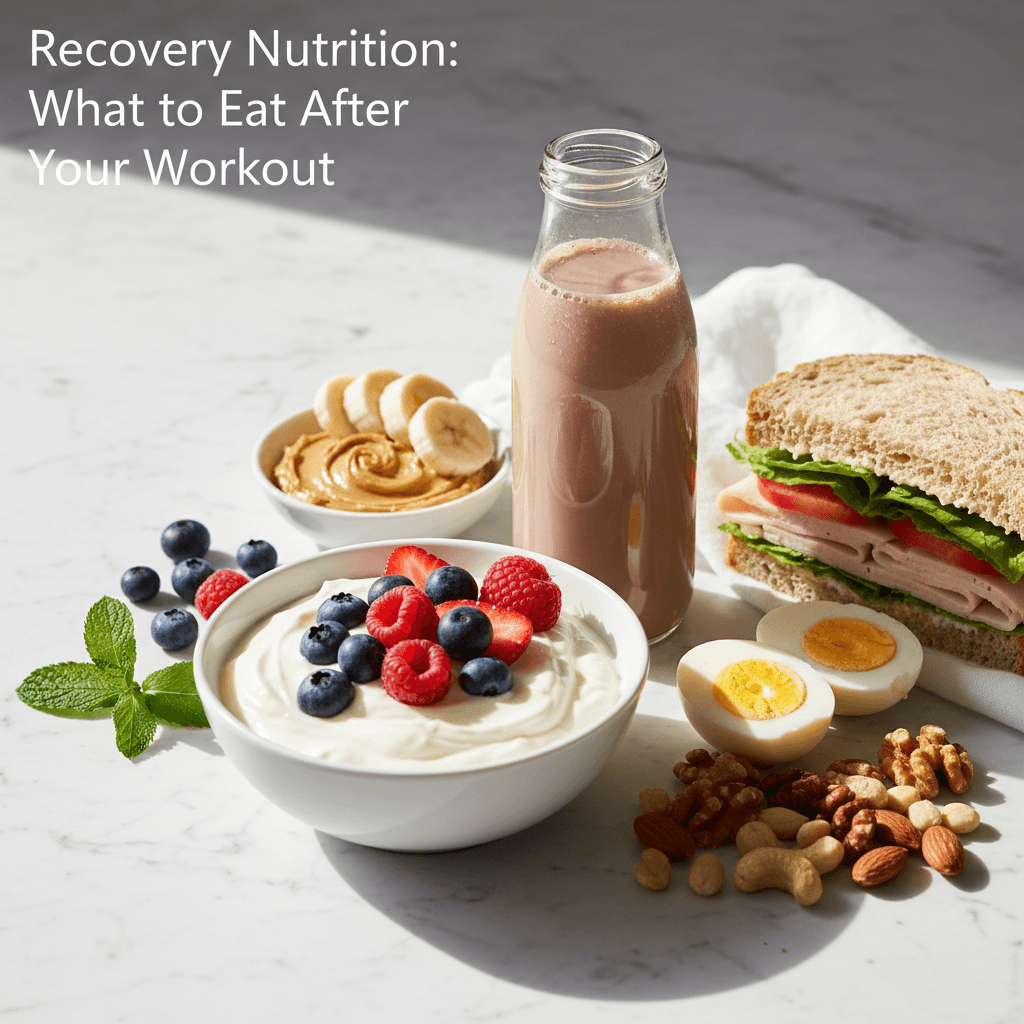
A colorful spread of post-workout recovery foods including chocolate milk, banana with peanut butter, Greek yogurt with berries, and a turkey sandwich on whole grain bread
Key Takeaways
- Post-workout nutrition doesn't require expensive supplements - chocolate milk and whole foods work just as well
- Aim for a 2:1 or 3:1 ratio of carbs to protein within 1-2 hours after exercise for optimal recovery
- Match your recovery nutrition to your workout intensity - a walk needs less than a strength session
You just finished your workout. What you eat in the next hour or two can affect how you feel tomorrow - but it does not have to be complicated or expensive.
#The Timing Window
The "anabolic window" is real but not as urgent as marketing suggests. If you had a meal 2-3 hours before training, you have up to 2-3 hours post-workout to refuel. If you trained fasted, eating within 30-60 minutes matters more.
#Protein + Carbs: Both Matter
Your post-workout meal needs two players:
- Protein repairs and rebuilds muscle fibers stressed during exercise
- Carbohydrates replenish the glycogen (energy) you burned
The ideal ratio for general fitness training is 2:1 or 3:1 carbs to protein - for example, 30-40g carbs with 15-20g protein for lighter sessions, or 40-60g carbs with 20-25g protein for intense ones. Your body can only use about 20-25g of protein at a time for muscle synthesis; consuming more does not accelerate recovery.
#Real Food Works
Chocolate milk has been shown in studies to be as effective as commercial recovery drinks - it naturally hits the ideal carb-to-protein ratio at a fraction of the cost.
#Four Quick Options (Under 5 Minutes)
- Chocolate milk + banana - on-the-go classic
- Greek yogurt + granola + berries - prep the night before
- Turkey or tuna sandwich on whole grain bread - complete meal
- Smoothie - milk, banana, peanut butter, spinach
#Hydration First
For every pound of body weight lost during exercise, drink 16-24 ounces of fluid. If you cannot weigh yourself, aim for at least 16 ounces in the first hour. Add a pinch of salt if you were sweating heavily.
#Anti-Inflammatory Additions
Tart cherry juice, berries, fatty fish, and nuts help reduce exercise-induced inflammation.
Gear for this article
Curated tools & essentials mentioned in this guide
#Special Situations
- Morning workout, no appetite - try a smoothie or chocolate milk; liquid calories go down easier
- Weight loss - you still need post-workout nutrition; a smaller snack works if a full meal follows within 2 hours
- Late-night training - keep it light: Greek yogurt with honey or cottage cheese with fruit
#Four Common Mistakes
- Protein overload - excess protein does not build more muscle; your body can only use so much at a time
- Avoiding carbs - without carbs, protein gets used for energy instead of repair
- Skipping real meals - recovery snacks are a bridge, not a replacement
- Same recovery for every workout - match intake to output; a walk needs far less than a strength session
The best recovery meal is one you will actually eat consistently.
Recommended Gear
Leak-proof shaker bottle for smoothies and protein shakes on the go
Make your own recovery chocolate milk with ideal 3:1 carb to protein ratio
Simple ingredient protein bars for convenient post-workout recovery nutrition
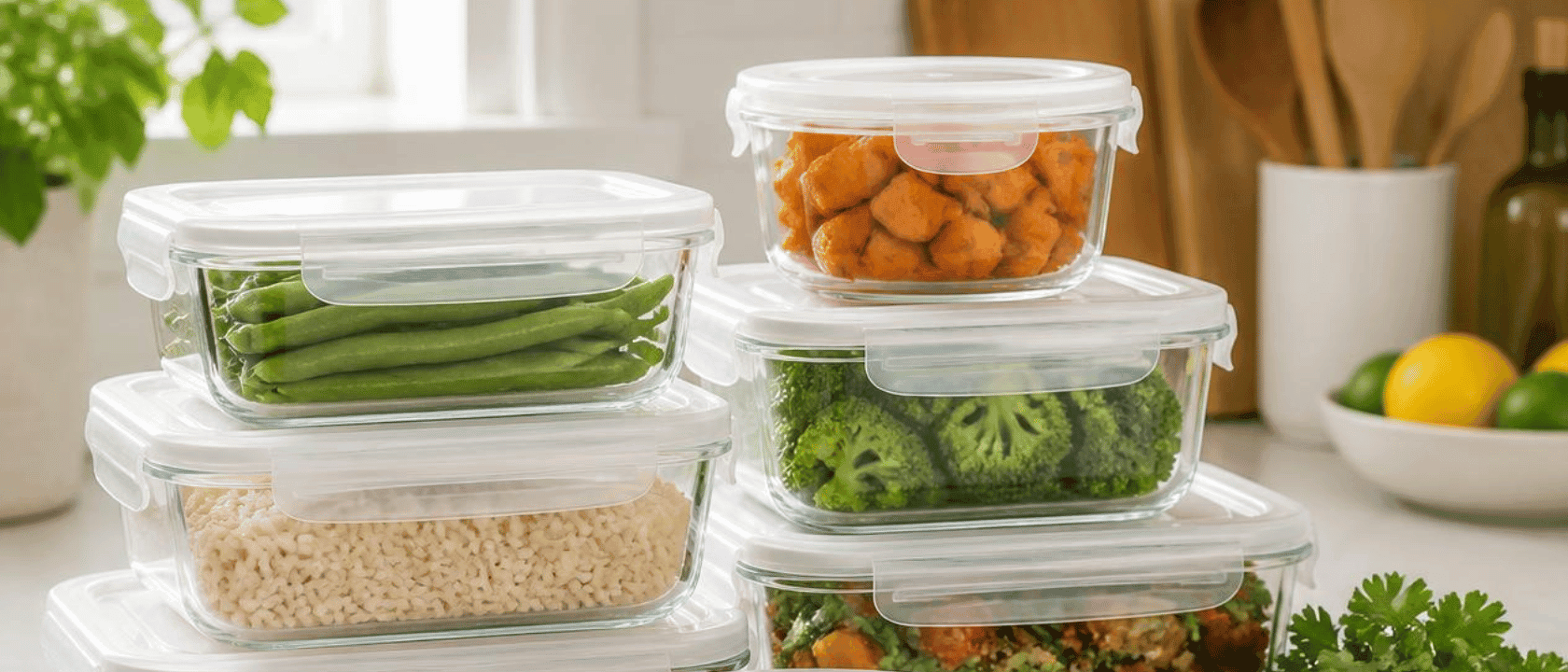
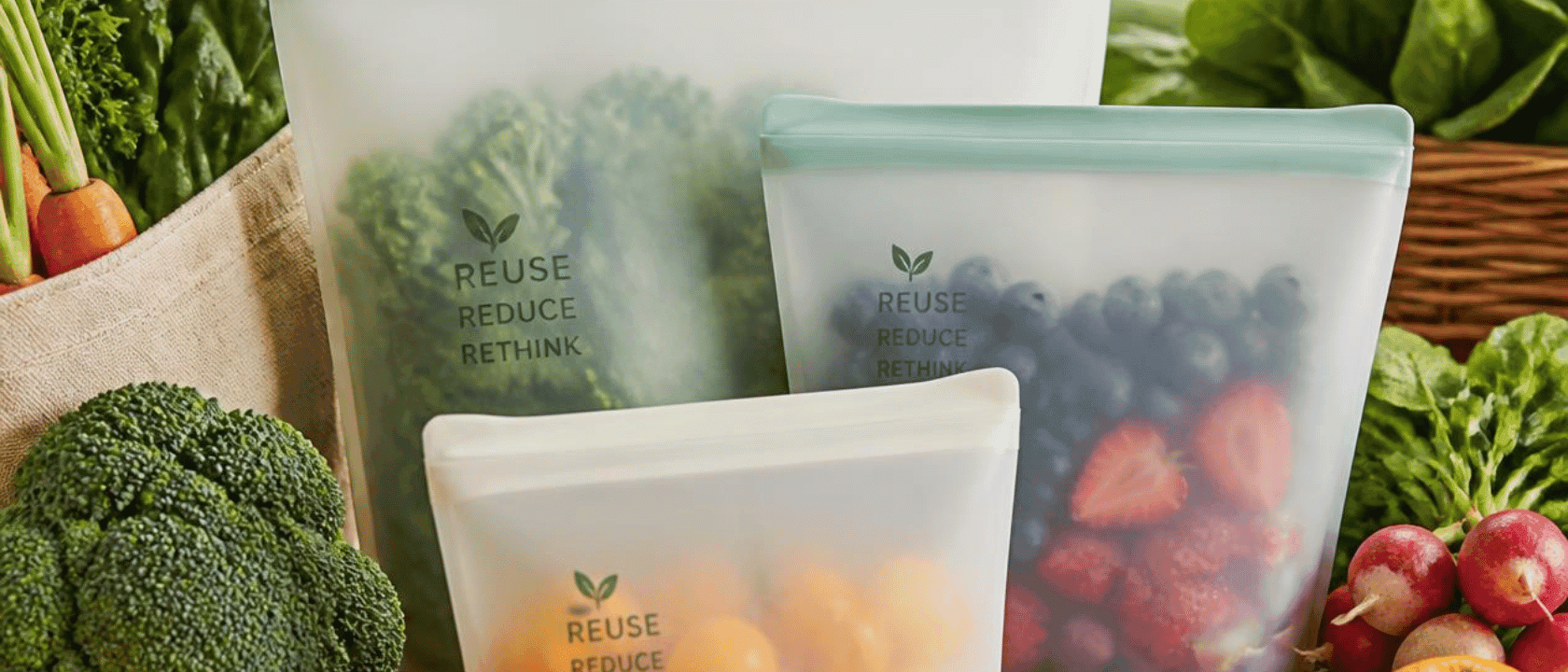
Pre-portion your recovery meals and snacks for grab-and-go convenience
Blend recovery smoothies anywhere immediately after your workout finishes
Make high-protein Greek yogurt at home for affordable recovery nutrition
Keep your post-workout meals cold and fresh in your gym bag for immediate recovery