
Sarcopenia: Why Your Future Self Needs You to Start Now

Split image showing active older adult lifting weights on one side and sedentary older adult struggling with daily tasks on the other
Key Takeaways
- Start strength training now-every year of delay means more muscle lost and harder recovery
- Aim for 2-3 strength sessions weekly and distribute protein intake evenly across meals (25-30g per meal)
- Focus on functional movements that translate to daily activities to maintain independence as you age
#The Silent Thief of Independence
Sarcopenia - age-related muscle loss - begins around age 30 and progresses silently. Most people lose 3-8% of muscle mass per decade, and that rate doubles after age 60. By the time the signs are obvious, significant strength is already gone.
#What Losing Muscle Leads To
Muscle loss triggers a cascade of problems:
- Metabolic slowdown: Each pound of muscle burns approximately 6-10 calories per day at rest (not 50-100 - the real number still adds up over years). Lose 10 pounds of muscle and you burn 60-100 fewer calories daily.
- Bone fragility: Weak muscles mean weak bones and higher fracture risk.
- Blood sugar chaos: Less muscle means worse glucose control and up to 32% higher diabetes risk.
- Fall risk: Weak muscles can't react quickly, and falls become the leading cause of injury-related deaths after age 65.
Hair color changes and similar cosmetic aging are not linked to sarcopenia - the real consequences are metabolic, structural, and functional.
#Your 20s and 30s: The Critical Window
The muscle you build when young pays dividends for decades. This is your prime building time. Aim for 3-4 strength sessions weekly - you're making deposits into your muscle bank account that you'll draw from at 70.
#The Two-Pronged Defense
#1. Resistance Training (Non-Negotiable)
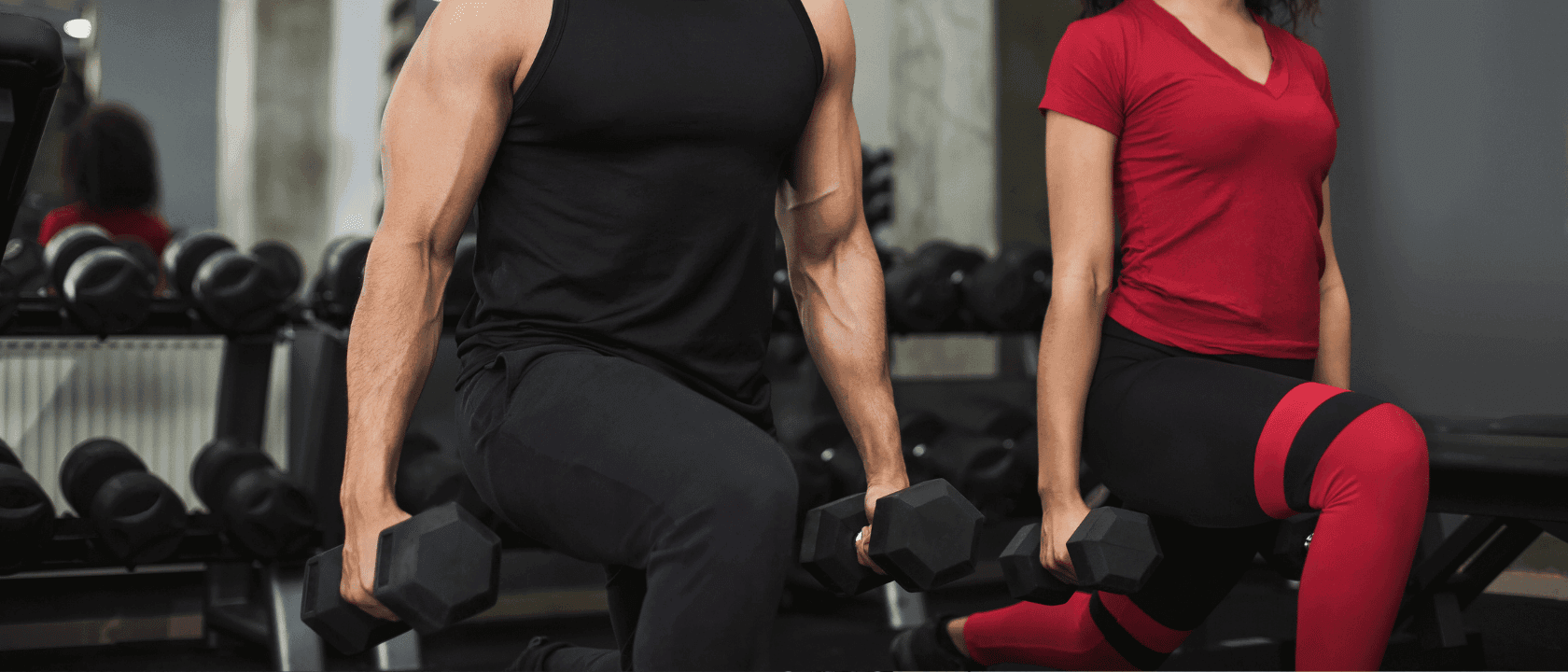
The most effective way to prevent sarcopenia is regular resistance training at least twice weekly - not cardio alone. Even people in their 90s can build muscle with proper training. It is never too late to start.
Minimum effective dose:
- 2 sessions per week
- 6-8 exercises covering major muscle groups
- 2-3 sets of 8-12 repetitions
- Progressive overload over time
#2. Protein - Amount and Distribution
After 50, muscles become less responsive to protein (anabolic resistance). You need more protein AND better distribution - not just a big dinner.
Age-adjusted targets:
- Under 50: 0.8-1g per pound of body weight
- Over 50: 1-1.2g per pound
- Over 65: 1.2-1.5g per pound
Muscles cannot store protein for later the way they store carbs or fat - aim for 25-30g per meal spread across the day.
#Functional Movements That Matter Most
Focus on exercises that map directly to daily life:
- Squats / sit-to-stands - getting up from chairs and toilets
- Deadlifts / hip hinges - picking things up safely from the floor
- Rows / pulls - opening doors, lifting groceries
- Presses - putting items on shelves
- Carries - walking with loads
- Step-ups - climbing stairs
#Red Flags to Watch
Act before these appear, but if they do, they signal muscle loss already underway:
- Struggling with jar lids (grip strength decline)
- Needing arm support to stand from sitting
- Avoiding stairs when possible
- Feeling unsteady on uneven surfaces
- Unexplained weight gain with the same diet
Gear for this article
Curated tools & essentials mentioned in this guide

#Action Plan by Age
- Under 40: Build aggressively - 3-4 strength sessions weekly.
- 40-60: Maintain and protect - 2-3 sessions are essential, not optional.
- Over 60: Fight for every fiber - even small gains are significant functional wins. Work with trainers familiar with aging bodies.
Sarcopenia is not inevitable. Strength training, adequate and well-distributed protein, and consistent movement add up. What you do now directly shapes how you function at 70 and beyond.
Recommended Gear
Safe, progressive strength training system for building muscle at any age without heavy weights
Accurately measure protein portions to hit the 25-40g per meal targets for muscle preservation
Easy way to increase daily protein intake to combat age-related muscle loss
Progressive overload strength training at home to build and maintain muscle mass with age
Maintain grip strength which predicts longevity and indicates overall muscle health
Convenient protein throughout the day to meet increased needs for muscle maintenance
Improve balance and coordination to prevent falls while maintaining functional fitness