
Sleep and Fitness: What Happens When You Rest
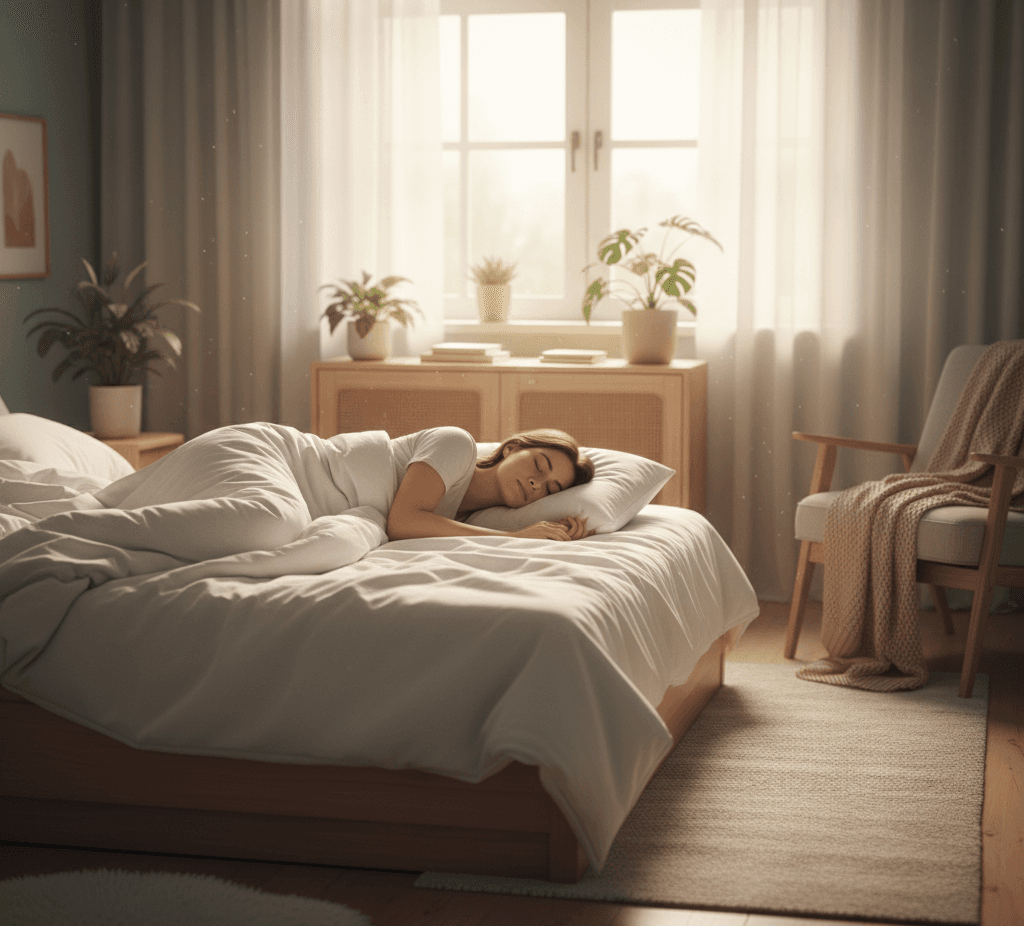
Peaceful bedroom scene with soft lighting, showing a person sleeping comfortably with subtle visual elements representing muscle recovery and growth
Key Takeaways
- Sleep is when your body releases 70% of growth hormone for muscle repair and fat burning
- Aim for 7.5-9 hours of consistent sleep, same schedule even on weekends
- Poor sleep increases hunger hormones by 28% and decreases fullness signals by 18%
Fitness is often framed as 80% diet and 20% exercise - but without adequate sleep that equation falls apart. Sleep is when your body repairs muscle, supports fat metabolism, and resets hormones that affect hunger and energy.
#What Happens When You Sleep
During deep sleep, your body releases up to 70% of its daily growth hormone - the same hormone that repairs muscle tissue and supports fat metabolism. Skimp on sleep and both recovery and gains suffer.
#How Sleep Affects Fitness
Muscle recovery and growth: Studies show that people who sleep less than 6 hours lose significantly more muscle mass during weight loss compared to those who get 8 hours. Muscles are rebuilt during sleep, not during training.
Fat loss and appetite: Sleep deprivation disrupts two key hormones:
- Leptin (fullness signal) drops by 18%
- Ghrelin (hunger signal) increases by 28%
That's why you crave junk food when tired. Sleep-deprived people eat an average of 385 extra calories per day, mostly high-fat, high-carb foods.
Performance and injury: Athletes who sleep less than 8 hours are 1.7 times more likely to get injured. Reaction time, accuracy, and strength all drop with poor sleep.
Gear for this article
Curated tools & essentials mentioned in this guide
#How Much Sleep
- Bare minimum: 7 hours
- Sweet spot: 7.5-9 hours
- Athletes and heavy trainers: 9-10 hours
Quality matters as much as quantity. Same schedule on weekends too - sleeping in creates "social jet lag" and your body can't store sleep.
#Practical Sleep Optimization
#The 10-3-2-1-0 Rule (Before Bed)
- 10 hours: No more caffeine
- 3 hours: No more food or alcohol
- 2 hours: No more work
- 1 hour: No more screens
- 0: Times you hit snooze
#Evening Exercise
High-intensity exercise raises core temperature and stress hormones, which can delay sleep onset by 2-3 hours. Finish intense workouts at least 3 hours before bed. Light yoga or walking is fine closer to bedtime.
#Sleep Environment
Cool your room to 65-68°F (18-20°C) - your body drops in temperature as you fall asleep.
#Sleep Techniques
- 4-7-8 Breathing: Inhale for 4, hold for 7, exhale for 8 - activates your parasympathetic nervous system for relaxation.
- The Military Method: Relax your face, drop your shoulders, exhale and relax your chest, relax your legs, clear your mind for 10 seconds.
#Supplements That Can Help
- Magnesium glycinate: 200-400mg - helps both sleep quality and muscle recovery
- Melatonin: 0.5-3mg
- L-theanine: 100-200mg
- Ashwagandha: 300-600mg (reduces cortisol)
Always consult a healthcare provider before starting supplements.
#When to See a Doctor
Seek help if you snore loudly or gasp for air (possible sleep apnea), take more than 30 minutes to fall asleep regularly, or feel exhausted despite "enough" sleep. Sleep disorders are common and very treatable.
Recommended Gear
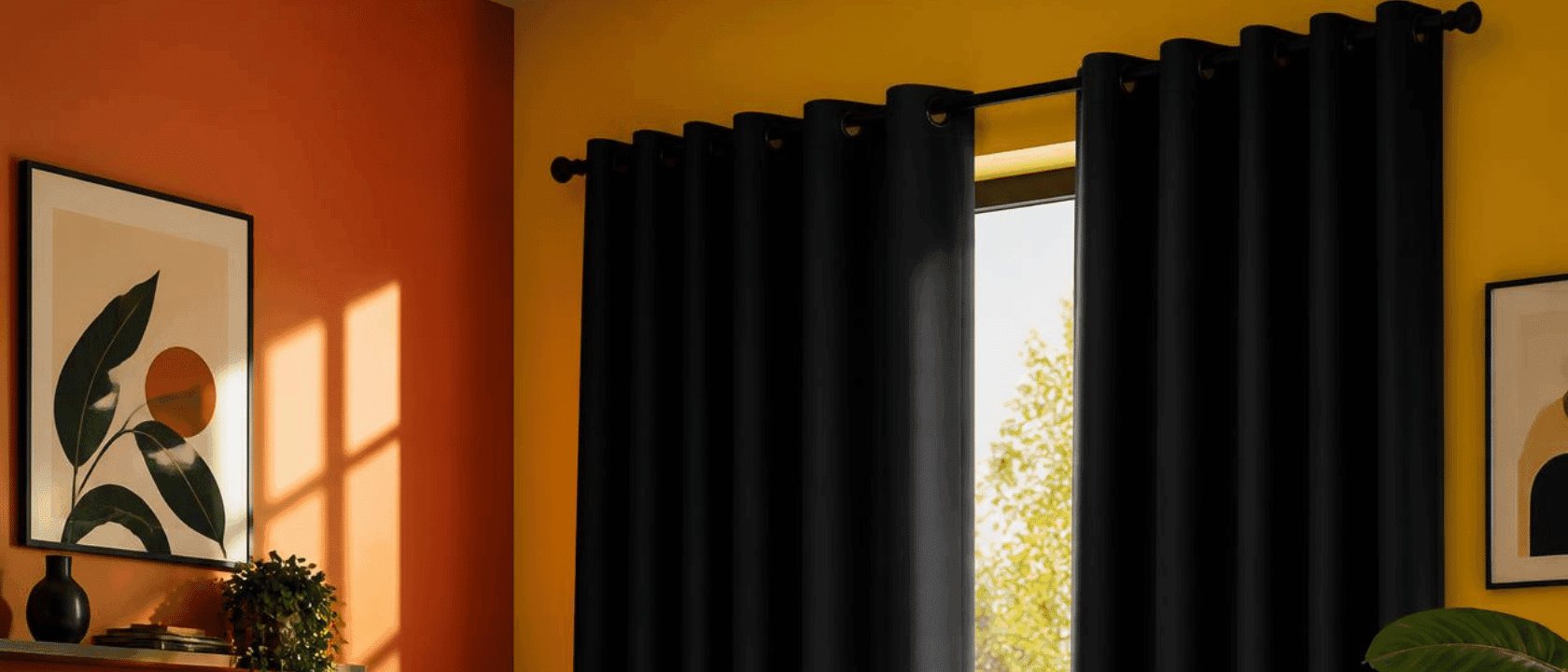
Block 99% of light to optimize your sleep environment for growth hormone release and recovery
High-absorption magnesium for better sleep quality and muscle recovery after workouts
Monitor sleep stages, duration, and quality to optimize your recovery and fitness results
Block disruptive sounds for uninterrupted deep sleep cycles that maximize muscle repair
Keep your head cool for optimal sleep temperature between 65-68 degrees for best recovery
Reduce screen-induced sleep disruption when you can't avoid devices before bed
Promotes relaxation and faster sleep onset for better recovery between training sessions