
Understanding Scale Weight
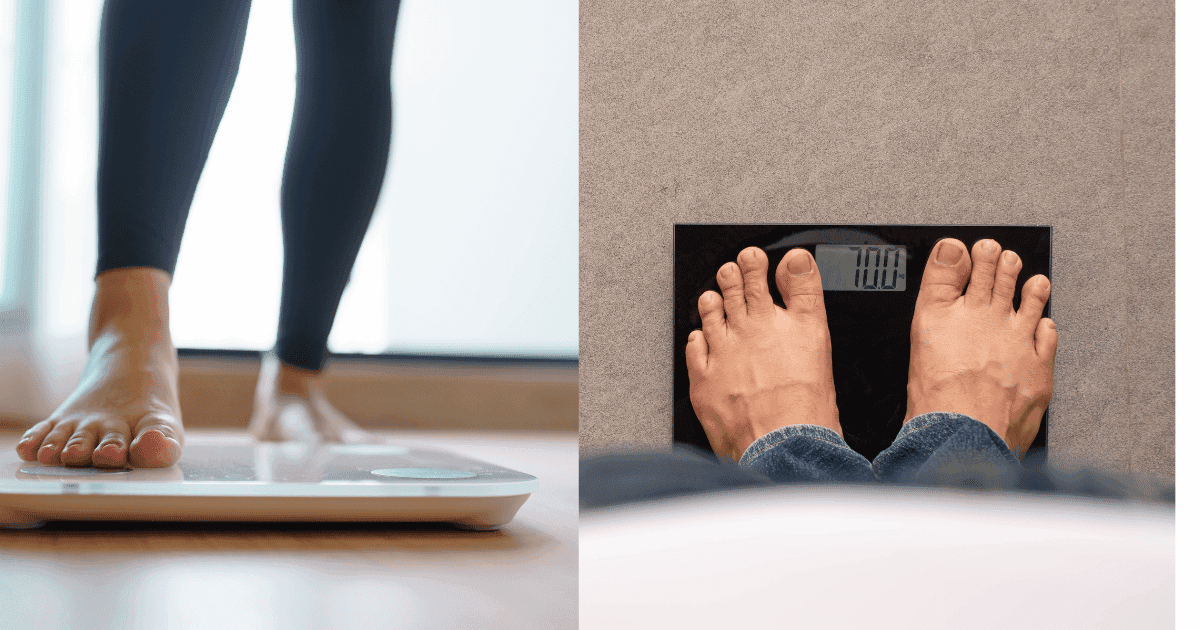
The number on your scale is your total body mass at that moment. It is useful data, but most day-to-day movement is not fat gain or loss. Knowing what the reading is made of makes the number easier to use and harder to fear.
#What scale weight includes
| Component | Role on the scale |
|---|---|
| Water | Largest short-term mover - blood, fluid between cells, hydration status |
| Lean mass | Muscle, bone, organs, connective tissue |
| Fat mass | Stored energy - changes slowly compared with water |
| Gut contents | Food and fluid in transit |
Fat is often a smaller share of the total than people assume. A spike or drop overnight usually reflects water, sodium, carbs, hormones, training soreness, or when you last ate - not a pound of fat.
#Why water moves the needle
Typical daily swings of 1-3 kg (2-6 lb) are common in healthy adults. Common drivers:
- Sodium and fluids - salty meals, restaurant food, processed snacks
- Carbohydrate intake - each gram of glycogen in muscle and liver holds roughly 3 g of water
- Menstrual cycle and stress hormones - can increase fluid retention for days
- Hard training - inflammation and glycogen refill after lifting or long sessions
- Travel, sleep loss, illness - often show up as water before anything else
#Muscle, glycogen, and the scale
Strength training can add lean tissue over months. New muscle also stores glycogen and the water that goes with it. Scale weight may rise while waist size, strength, or photos improve. That pattern is recomposition or muscle gain, not proof that fat is climbing at the same rate.
#How much surplus it takes to gain fat
Body fat stores roughly 3,500 kcal per lb (~7,700 kcal per kg) above maintenance. One day above target does not deposit a full pound of fat - you would need that surplus sustained over many days.
What ~3,500 kcal above maintenance can look like
| Pattern | Rough example |
|---|---|
| Fast food | Two large burger meals plus fries and drinks across a day |
| Pizza | A full large pizza plus extras, or pizza across two heavy days |
| Mixed | Large steak dinner with sides, dessert, and alcohol the same evening |
A single indulgent meal might add 0.1-0.3 lb of fat at most in many cases - often less once water and gut contents are accounted for. Continuous surplus over weeks is what moves fat mass.
#After a heavy day
Do not quit the plan or punish the next day with extreme restriction or extra exercise. Return to your normal deficit or maintenance, sleep, hydrate, and let water weight settle. The trend over weeks matters more than one reading.
For how FitJourney logs weight and reads trends, see The FitJourney Science of Weighing.
Educational content for generally healthy adults - not medical advice. Persistent swelling, rapid unexplained weight change, or eating or exercise patterns you cannot control deserve a clinician's input.
Gear for this post
Curated tools & essentials mentioned in this guide
Enjoyed this guide? Share it with others.
More from the blog
Continue your learning journey with these guides.